

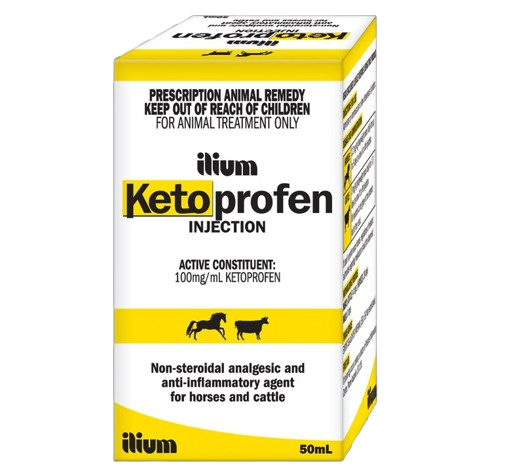

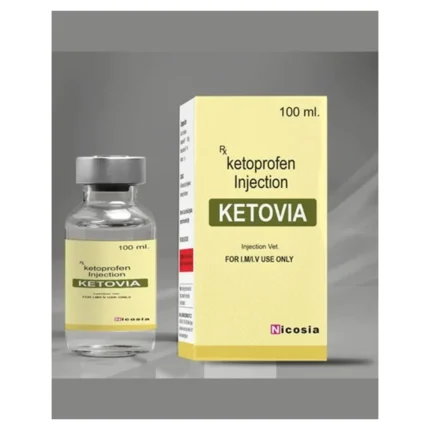
Buy Ketoprofen Injection For Animals Online At World Equine Vet
Advanced Analgesic & Anti-Inflammatory Therapy for Equine Healthcare
High-performance horses and working equines regularly encounter heavy physical demands that place significant strain on joints, tendons, and muscular systems. Left unmanaged, tissue trauma and localized inflammation lead to chronic stiffness, gait alteration, and reduced athletic performance. Beyond musculoskeletal trauma, horses are susceptible to acute visceral distress, such as colic, as well as systemic fever from viral or bacterial infections.
Ketoprofen Injection is a potent, rapid-acting non-steroidal anti-inflammatory drug (NSAID) designed to deliver comprehensive analgesic, antipyretic (fever-reducing), and anti-inflammatory action. Formulated specifically for veterinary application, it provides immediate relief from musculoskeletal pain, joint inflammation, soft tissue swelling, and acute abdominal pain in horses.
Pharmacological Action: How Ketoprofen Works
Ketoprofen is a propionic acid derivative renowned for its dual inhibitory action against major inflammatory cascades within the body:
-
Cyclooxygenase (COX) Inhibition: Blocks the production of COX enzymes (both COX-1 and COX-2), preventing the conversion of arachidonic acid into pro-inflammatory prostaglandins and thromboxanes responsible for hyperalgesia and localized swelling.
-
Lipoxygenase Pathway Suppression: Unlike standard NSAIDs that only target COX pathways, Ketoprofen also limits lipoxygenase enzyme activity. This dual mechanism inhibits the formation of leukotrienes—key cellular drivers of tissue edema and chronic inflammation.
-
Bradykinin Modulation: Inhibits bradykinin activity at the cellular site, dampening direct pain signaling sent to the central nervous system.
-
Rapid Onset & High Bioavailability: Reaches therapeutic plasma levels quickly following systemic administration, delivering prompt relief from acute pain and fever.
Key Indications & Clinical Applications
1. Musculoskeletal Disorders & Lameness
Ketoprofen Injection is widely utilized across equine sports medicine to treat conditions affecting the locomotor system, including:
-
Acute and chronic arthritis, osteoarthritis, and joint capsule inflammation (synovitis).
-
Tendonitis, desmitis (ligament strain), and muscular sore spots following high-intensity training or racing.
-
Soft tissue swelling, heat, and post-traumatic edema.
-
Acute laminitis management, reducing digital inflammation and severe hoof pain.
2. Visceral Colic & Gastrointestinal Distress
In cases of equine colic, rapid pain relief is essential to prevent shock and gastrointestinal distress. Ketoprofen reduces visceral pain and dampens smooth muscle spasms without causing deep sedation, allowing ongoing veterinary evaluation.
3. Antipyretic & Systemic Support
When horses develop high fevers due to respiratory infections, influenza, or post-surgical stress, Ketoprofen acts directly on the thermoregulatory center in the brain to safely reset body temperature to baseline metrics.
4. Surgical Recovery & Post-Trauma Protocol
Administered pre- or post-operatively, Ketoprofen reduces surgical site inflammation, accelerates functional recovery, and keeps post-surgical patients comfortable.
Recommended Administration & Dosage Guidelines
-
Target Species: Horses, foals, performance stock (and camelids under veterinary oversight).
-
Administration Route: Administer via deep intramuscular (IM) or slow intravenous (IV) injection under the supervision or direction of a licensed veterinarian.
-
Dosage Rate: Typically administered at 2.2 mg/kg body weight once daily for up to 3 to 5 consecutive days, based on the severity of the condition.
-
Competition Regulations: Always verify withdrawal periods established by governing equine sport authorities (such as the FEI, USEF, or local racing commissions) before administering during active competition.
Storage & Handling Standards
-
Store in a cool, dry place between 15°C and 25°C (59°F–77°F).
-
Protect from light and avoid freezing.
-
Maintain strict aseptic protocol during drawing and administration.
-
Contraindicated in horses with severe renal dysfunction, active gastrointestinal ulceration, or known hypersensitivity to NSAIDs.
Why Source Ketoprofen Injection from World Equine Vet?
At World Equine Vet, we are dedicated to supplying horse owners, competitive stables, and equine hospitals across the USA, Canada, Australia, the United Kingdom, Germany, France, Spain, the Netherlands, Mexico, and globally with authentic, lab-verified pharmaceuticals.
-
100% Verified Quality: Sourced directly to maintain peak active potency and clinical purity.
-
Global Express Shipping: Secure, climate-controlled packaging delivered fast to your stable or clinic door.
-
Equine Industry Expertise: Sourced to keep equine athletes sound, comfortable, and performing at their absolute best.
As part of the trusted equine pain and sedation portfolio from Zoeti is safe and effective against equine pain and inflammation. Hoof pain associated with chronic laminitis is significantly reduced for up to six hours with .
n the treatment of visceral pain associated with colic and in the treatment of inflammation and pain associated with muscrders.uloskeletal diso Ketoprofen
recommended in those cases where corticosteroid therapy is contraindicated Ketoprofen
DOSAGE AND HOW TO USE
niglumine 50ml should be administered to cattle and horses i
Cattle: 1mL for each 22.5 kg of weight intramuscularly or intravenously. Repeat if necessary, at intervals of 24 hours, but not more than 5 consecutive days.
Horses: In visceral pain associated with colic, 1mL is recommended for every 45 kg of weight intramuscularly or intravenously, at the onset of symptoms. Treatment can be repeated 1 or 2 times if symptoms reappear.
In inflammation and pain associated with musculoskeletal changes, 1 ml is recommended for every 45 kg of weight, intramuscularly or intravenously, once a day for no more than 5 consecutive days.
PRECAUTIONS
Do not exceed recommended serving. Do not mix other substances in the same syringe. Avoid intra-arterial injection to horses, as they react with ataxia, incoordination, hyperventilation, hysteria and muscle weakness. Precautions should be taken when administering to calves and, if symptoms of dehydration occur, fluid therapy should be performed. Do not use during pregnancy.
CONTRAINDICATIONS
Do not use in animals less than 3 days old. Do not use in horses with a history of hypersensitivity to flunixin.
WITHDRAWAL PERIODhttp:
Cattle: Slaughter: slaughter of animals treated with this product should only be carried out 20 days after the last application. Milk: Milk from animals treated with this product must not be destined for human consumption until 1 day after the last application of this product.
Horses: Slaughter: Do not use in animals whose meat is intended for human consumption.
PRESENTATIONS
Glass vial conta



Reviews
There are no reviews yet.