

Shop Veterinary Respiratory Support Drugs Online
Explore veterinary respiratory support drugs online at World Equine Vet, with products and information for customers researching respiratory health in horses and other animals. Our category is designed to help customers find equine respiratory medicines, horse breathing support products, veterinary respiratory drugs, bronchodilator medicines, airway-support products, and animal respiratory health solutions. Respiratory problems in animals can have many causes, so selecting a product should always begin with identifying the underlying condition and confirming the appropriate treatment with a qualified veterinarian. Review each product’s active ingredients, formulation, intended species, manufacturer information, directions, warnings, and applicable prescription requirements before ordering. World Equine Vet serves customers researching veterinary products in the USA and international markets, including France, Germany, Italy, Spain, the Netherlands, Switzerland, Australia, and other destinations where permitted. Because veterinary medicines can be regulated differently between countries, customers should verify local requirements before purchasing or importing respiratory medicines.

Air-Way EQ for Horses
$75.50
AllerSaver Equine
$185.60
AniHist H for Horses
$35.65




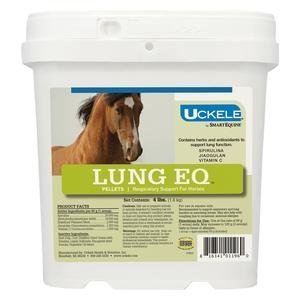

Mag Max for Horses
$170.90
Oxy Pulmon for Horses
$73.35
Veterinary Respiratory Support Drugs for Equine and Animal Respiratory Health
Healthy respiratory function is essential for the wellbeing, comfort, and performance of horses and other animals. The respiratory system supplies oxygen to the body and removes carbon dioxide, making normal airway and lung function particularly important during exercise and periods of increased physical demand. At World Equine Vet, our Veterinary Respiratory Support Drugs category provides an online destination for customers researching equine respiratory medicines, horse breathing support products, veterinary respiratory drugs, airway-support medicines, bronchodilator products, respiratory health treatments, and veterinary respiratory support products. Respiratory signs can have many different causes. Coughing, nasal discharge, noisy breathing, reduced exercise tolerance, increased respiratory effort, and changes in performance may be associated with infection, airway inflammation, environmental factors, allergies, airway obstruction, exercise-induced respiratory problems, or other medical conditions. Because the appropriate treatment depends on the underlying cause, veterinary respiratory medicines should not be selected simply because a product appears to address a particular symptom. A qualified veterinarian can evaluate the animal and determine whether medication is appropriate.Shop Veterinary Respiratory Support Products Online
Customers searching for veterinary respiratory support drugs online can use World Equine Vet to explore available products and review individual product information. Respiratory products can differ substantially in their active ingredients, formulation, intended species, route of administration, and approved uses. Some are designed to affect airway function, while others may be prescribed for specific inflammatory or infectious conditions. Before selecting a product, review:- Active ingredient
- Strength or concentration
- Intended animal species
- Formulation
- Manufacturer
- Product size
- Approved or stated indications
- Directions for use
- Warnings and precautions
- Storage requirements
- Prescription status
- Competition restrictions where applicable
Equine Respiratory Medicines for Horses
Horses can experience a range of respiratory conditions, from mild environmental irritation to significant inflammatory or infectious diseases. Owners and trainers may search for terms such as equine respiratory medicines, horse respiratory medicine, horse breathing medication, equine airway support, respiratory drugs for horses, and horse lung support products when researching available treatments. However, these searches can represent very different medical situations. A horse with coughing caused by environmental dust may require a different approach from a horse with an infectious respiratory disease. Similarly, recurrent airway inflammation may require a different management strategy from an acute respiratory emergency. For this reason, respiratory medication should be selected according to veterinary assessment rather than symptoms alone.Understanding Equine Respiratory Health
The equine respiratory system includes the nostrils, nasal passages, pharynx, larynx, trachea, bronchi, and lungs. Efficient airflow through these structures is essential for normal breathing and exercise. During strenuous exercise, respiratory demand increases substantially. Any condition that interferes with normal airflow can potentially affect exercise tolerance and performance. Environmental management can also play an important role in respiratory health. Dust, mold, poor ventilation, allergens, bedding, feed particles, and other airborne irritants can contribute to respiratory problems in susceptible horses. Veterinary treatment should therefore be considered alongside appropriate stable and environmental management.Common Signs of Respiratory Problems in Horses
Horse owners should pay attention to changes such as:- Persistent or recurring cough
- Nasal discharge
- Increased respiratory effort
- Noisy breathing
- Reduced exercise tolerance
- Poor performance
- Increased respiratory rate
- Difficulty recovering after exercise
- Fever or lethargy
- Changes in appetite or general behavior
Veterinary Respiratory Drugs
Veterinary respiratory drugs encompass several different categories of medicines. Depending on the diagnosed condition, a veterinarian may consider medicines intended to:- Improve airway flow
- Reduce airway inflammation
- Address specific infections
- Manage allergic or inflammatory responses
- Support treatment of diagnosed respiratory disorders
Bronchodilator Medicines for Horses
Bronchodilator medicines are designed to influence airway smooth muscle and may be prescribed in certain respiratory conditions where airway narrowing or bronchoconstriction is involved. Horse owners researching equine bronchodilators, bronchodilator medicines for horses, horse airway medications, and respiratory support drugs should understand that these medicines are not interchangeable. The active ingredient, dosage form, onset, duration, and approved indications can differ. Veterinary guidance is therefore important when deciding whether a bronchodilator is appropriate.Airway Support for Performance Horses
Respiratory efficiency can be particularly important for performance horses because exercise places increased demands on the respiratory system. Trainers may notice changes in:- Exercise tolerance
- Recovery time
- Breathing pattern
- Performance consistency
- Coughing during exercise
- Nasal discharge
- Breathing noise
Equine Respiratory Support and Stable Management
Medication is only one component of respiratory health management. Environmental control can be particularly important for horses prone to airway irritation. Helpful management considerations can include: Ventilation: Good airflow can help reduce airborne contaminants. Dust control: Reducing dust from bedding, feed, and stable surfaces may benefit susceptible animals. Forage management: Appropriate forage handling can reduce exposure to respiratory irritants. Bedding: Choosing suitable low-dust bedding may be beneficial. Outdoor time: Depending on the horse's condition and management plan, appropriate turnout can contribute to better air quality. These measures do not replace veterinary treatment when medication is required, but they can form an important part of overall respiratory management.Respiratory Medicines for Horses With Airway Inflammation
Airway inflammation can occur in several equine respiratory conditions. When inflammation is diagnosed, a veterinarian may prescribe appropriate anti-inflammatory or other respiratory medicines depending on the underlying condition. The correct treatment depends on the specific diagnosis. Customers should avoid assuming that every cough requires the same medication. Using an inappropriate medicine can delay proper treatment or potentially worsen the situation.Respiratory Infections in Horses
Infectious respiratory diseases can be caused by different pathogens, including viruses and bacteria. Signs may include:- Fever
- Nasal discharge
- Coughing
- Lethargy
- Reduced appetite
- Swollen lymph nodes
- Reduced performance
Respiratory Support for Other Animals
Veterinary respiratory products can also exist for dogs, cats, livestock, and other species. However, a medicine formulated for horses should not automatically be given to another species. Different animals metabolize medicines differently, and approved indications and dosages can vary. Always confirm the intended species on the product information and follow appropriate veterinary guidance.Choosing the Right Veterinary Respiratory Medicine
When searching for veterinary respiratory medicines online, start with the diagnosis or suspected condition rather than the product category alone. Ask: What respiratory signs are present? How long have they been present? Has the animal been examined? What is the suspected underlying cause? Is the product intended for the correct species? What is the active ingredient? What are the manufacturer's directions? Is the product prescription-only? Are there competition restrictions? These questions can help customers approach respiratory medicines more responsibly.Product Information and Transparency
A high-quality veterinary ecommerce product page should provide clear information. For respiratory products, useful product details can include:- Product name
- Active ingredient
- Concentration
- Formulation
- Package size
- Intended species
- Manufacturer
- Indications
- Directions
- Warnings
- Contraindications
- Storage
- Prescription requirements
Prescription Veterinary Respiratory Medicines
Some respiratory medicines are prescription products and require professional veterinary oversight. Customers should not interpret an online product listing as evidence that a prescription is unnecessary. Where a prescription is required, customers should follow the applicable process for their country. The prescribing veterinarian can also determine whether the medicine is appropriate based on the animal's condition and any other medicines being used.Respiratory Medicines and Competition Horses
Competition horses require additional consideration because many veterinary medicines can be subject to competition rules. A medicine may be appropriate for treating a horse but still be restricted or prohibited during competition. Rules can vary between:- Racing organizations
- Equestrian disciplines
- Countries
- Competition bodies
- Individual events
Respiratory Medicines in the USA
Customers in the United States searching for equine respiratory medicines, veterinary respiratory drugs, horse breathing medicines, and airway-support products should consider applicable veterinary medicine requirements. Some products may require a prescription or veterinary oversight. Customers should verify the legal status and approved use of a particular product before purchasing or administering it. Online availability does not automatically mean that a medicine is approved for unrestricted use in the United States.Veterinary Respiratory Medicines in Europe
Customers in France, Germany, Italy, Spain, the Netherlands, and other European markets should review the regulations applicable to veterinary respiratory medicines in their country. Requirements can differ concerning:- Prescription status
- Product authorization
- Importation
- Distribution
- Labeling
- Veterinary supervision
- Competition use
Veterinary Respiratory Products in Australia and Switzerland
Australian and Swiss customers should likewise review applicable veterinary medicine and import requirements before ordering respiratory products internationally. Product classification can influence whether a medicine can be purchased, imported, or administered under particular circumstances. Always confirm the rules applying to the specific product and destination.International Shipping of Veterinary Respiratory Medicines
International shipping of veterinary medicines can involve additional requirements. Before placing an international order, customers should consider:- Destination-country regulations
- Prescription requirements
- Customs procedures
- Import restrictions
- Carrier restrictions
- Required documentation
- Product storage requirements
- Temperature sensitivity where applicable
Veterinary Respiratory Medicine Storage
Storage conditions vary considerably between veterinary medicines. Some products may need to be protected from excessive heat, light, moisture, or freezing. Others may require refrigeration. Always follow the manufacturer's storage instructions for the exact product. Proper storage is important for maintaining medicine quality and ensuring that products remain within their stated specifications.Responsible Use of Respiratory Medicines
Responsible use begins with accurate diagnosis. A cough does not automatically indicate a need for a bronchodilator. Nasal discharge does not automatically indicate a bacterial infection. Poor performance does not necessarily mean a horse has a respiratory disease. The underlying cause should be investigated when symptoms persist or are significant. Veterinary assessment may include physical examination, respiratory examination, blood testing, endoscopy, imaging, or other diagnostic procedures depending on the situation.When a Horse Needs Urgent Veterinary Attention
Certain respiratory signs require prompt veterinary attention. Seek professional help if a horse experiences:- Severe difficulty breathing
- Markedly increased respiratory effort
- Blue or abnormal mucous membranes
- Collapse
- Severe weakness
- High fever
- Sudden respiratory distress
- Rapid deterioration