

Buy Equine Joint Supplements Online
Shop equine joint supplements online at World Equine Vet and explore nutritional products designed to support joint health, mobility, cartilage function, and the nutritional needs of active and aging horses. Our collection includes horse joint supplements, equine mobility supplements, joint support products, cartilage-support formulas, performance horse supplements, and veterinary joint nutrition products. Different formulations may contain ingredients such as glucosamine, chondroitin, hyaluronic acid, MSM, vitamins, minerals, or other nutritional compounds, so always review the complete product label before use. Joint supplements are intended to complement appropriate nutrition and veterinary care and should not replace professional assessment of lameness, swelling, stiffness, or persistent pain. Customers in the USA, France, Germany, Italy, Spain, the Netherlands, Switzerland, Australia, and other international markets should verify applicable product, competition, customs, and import requirements before ordering
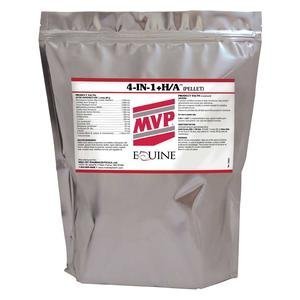
4-in-1 + H/A for Horses
$86.75
5-in-1 + H/A for Horses
$155.00
Aniflex Complete for Horses
$94.55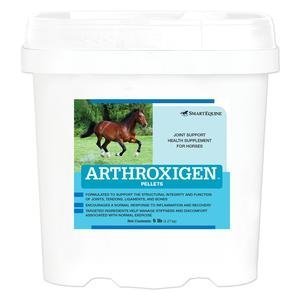
Arthroxigen Pellets for Horses
$110.55

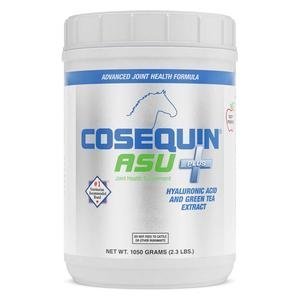


Flex-N-Action for Horses
$50.45Equine Joint Supplements for Horse Mobility and Joint Support
Joint health plays an important role in a horse's comfort, movement, athletic performance, and general wellbeing. Horses involved in training, competition, jumping, racing, endurance, or other demanding activities place substantial demands on their musculoskeletal system. Older horses may also require careful nutritional and exercise management to support comfortable movement.
For these reasons, horse owners frequently search for equine joint supplements, horse joint support, equine mobility supplements, horse cartilage supplements, veterinary joint supplements, and performance horse joint products.
World Equine Vet provides an online destination for customers researching nutritional products designed to complement a horse's joint and mobility management program.
Joint supplements are not all the same. Formulations can contain different ingredients, concentrations, and combinations. Some products are nutritional supplements, while others may be veterinary medicines intended for specific medical conditions.
Understanding the difference is important when selecting a product.
Shop Equine Joint Supplements Online
Customers looking to buy equine joint supplements online can explore products according to their horse's nutritional and management needs.
Common equine joint-support categories include:
- Horse joint supplements
- Equine mobility supplements
- Cartilage-support products
- Glucosamine supplements
- Chondroitin products
- MSM supplements
- Hyaluronic acid products
- Performance horse joint support
- Senior horse joint supplements
- Equine nutritional joint formulas
The appropriate product depends on the horse, its diet, workload, age, and overall health.
What Are Equine Joint Supplements?
Equine joint supplements are nutritional products designed to complement a horse's normal diet with ingredients associated with joint and connective-tissue nutrition.
They may contain combinations of:
- Glucosamine
- Chondroitin
- MSM
- Hyaluronic acid
- Vitamins
- Minerals
- Amino acids
- Botanical ingredients
- Other nutritional compounds
Formulations vary between manufacturers, and not every ingredient has identical evidence or effects.
Horse owners should therefore evaluate the specific product rather than assuming that all joint supplements provide the same benefits.
Horse Joint Support Supplements
Horse joint support supplements are commonly used by owners of active, aging, and performance horses.
A horse's joints are subject to repeated mechanical loading during exercise. Appropriate conditioning, hoof care, weight management, nutrition, and recovery are important components of maintaining musculoskeletal health.
A joint supplement can be considered as part of that broader management program where appropriate.
Equine Mobility Supplements
Mobility is influenced by many factors, including joint health, muscles, tendons, ligaments, hooves, body condition, exercise, age, and previous injuries.
Products marketed as equine mobility supplements may provide nutritional ingredients intended to complement normal joint function.
However, a change in mobility should never automatically be attributed to age or normal wear.
A horse showing new stiffness, lameness, swelling, reluctance to exercise, or changes in movement should receive appropriate veterinary assessment.
Glucosamine for Horses
Glucosamine is a commonly used ingredient in equine joint supplements.
It is a naturally occurring compound associated with connective tissue and cartilage.
Some horse joint formulations combine glucosamine with other ingredients such as chondroitin or MSM.
When comparing products, review the actual amount supplied rather than simply looking for the presence of glucosamine on the label.
Chondroitin Supplements for Horses
Chondroitin is another ingredient frequently included in equine joint products.
It is associated with cartilage and connective-tissue structure.
Horse owners researching chondroitin supplements for horses should compare the complete formulation, serving size, concentration, and manufacturer's instructions.
MSM Joint Supplements
MSM, or methylsulfonylmethane, is found in some nutritional joint-support formulas.
Products may combine MSM with glucosamine, chondroitin, vitamins, minerals, or other ingredients.
As with any supplement, review the complete ingredient list and follow the manufacturer's recommended administration instructions.
Hyaluronic Acid for Equine Joint Support
Hyaluronic acid is another ingredient used in certain equine joint-support products.
It is associated with connective tissue and synovial fluid.
Horse owners may encounter oral nutritional products as well as veterinary products involving hyaluronic acid.
These should not automatically be considered interchangeable because formulation, administration route, concentration, regulatory classification, and intended use can differ substantially.
Joint Supplements for Performance Horses
Performance horses can place increased demands on their musculoskeletal systems.
Jumping, racing, dressage, eventing, endurance, polo, reining, and other disciplines involve repeated movement and loading.
Owners may therefore search for performance horse joint supplements and equine athletic joint support.
A complete performance program should include:
- Appropriate conditioning
- Balanced nutrition
- Suitable body weight
- Proper hoof care
- Adequate rest
- Recovery periods
- Appropriate footing
- Regular veterinary assessment
Joint supplementation should complement these fundamentals.
Joint Supplements for Senior Horses
Senior horses may experience changes in mobility and exercise tolerance.
However, reduced mobility should not automatically be assumed to be a normal consequence of aging.
Arthritis, previous injuries, hoof problems, dental issues, muscle loss, and other conditions can affect movement.
A veterinarian can help determine whether a horse's stiffness is associated with a medical condition.
Nutritional joint support can then be considered as part of an appropriate management plan.
Joint Supplements for Young Horses
Young horses have developing bones, joints, muscles, tendons, and ligaments.
Nutrition during growth should be carefully balanced.
A product formulated for mature performance horses may not be appropriate for a growing horse.
Always verify the manufacturer's age and species recommendations before using a joint supplement in a young animal.
Equine Joint Nutrition
Joint health is not determined by one ingredient alone.
Overall nutritional management matters.
A horse's diet should provide appropriate amounts of energy, protein, vitamins, minerals, and other essential nutrients.
Maintaining an appropriate body condition can also help avoid unnecessary mechanical stress on the musculoskeletal system.
Weight Management and Joint Health
Excess body weight can increase mechanical demands on the musculoskeletal system.
Maintaining a healthy body condition is therefore an important part of managing mobility.
Weight management should be individualized according to the horse's breed, age, workload, metabolism, forage, and overall health.
A joint supplement should not be viewed as a substitute for appropriate weight management.
Exercise and Equine Joint Health
Appropriate exercise supports muscular strength and physical conditioning.
However, excessive or poorly managed exercise can contribute to musculoskeletal problems.
Training programs should progress appropriately and account for the horse's fitness, age, previous injuries, footing, and workload.
Rest and recovery are also important.
Hoof Care and Horse Mobility
Hoof balance can influence movement and musculoskeletal loading.
Regular professional farrier care is therefore an important component of a horse's overall mobility management.
A horse that develops persistent lameness should not simply be given a joint supplement without investigating the cause.
Joint Supplements and Lameness
Lameness is a clinical sign rather than a diagnosis.
Possible causes include:
- Joint disease
- Hoof problems
- Tendon injuries
- Ligament injuries
- Muscle problems
- Fractures
- Poor shoeing
- Soft-tissue injuries
- Neurological conditions
A horse with lameness should receive appropriate veterinary assessment.
Joint supplements should not be used to mask a potentially significant injury.
Veterinary Joint Medicines Versus Supplements
This distinction is particularly important for online shoppers.
A joint supplement is generally a nutritional product intended to complement an animal's diet.
A veterinary joint medicine is a regulated medicinal product intended for a specific therapeutic purpose.
Some veterinary joint medicines may require professional diagnosis, prescription, administration, or monitoring.
Customers should confirm the classification of each product before purchasing.
Joint Supplements and Other Veterinary Medicines
Horses may receive multiple veterinary products simultaneously.
Before introducing a joint supplement, inform your veterinarian about:
- Prescription medicines
- Injectable medicines
- Oral medicines
- Supplements
- Feed additives
- Vitamins
- Mineral products
This can help avoid unnecessary duplication and allow appropriate consideration of the overall treatment plan.
Choosing an Equine Joint Supplement
When choosing a joint supplement, consider:
Ingredient profile: What ingredients are included?
Concentration: How much of each ingredient is supplied per serving?
Intended species: Is it specifically formulated for horses?
Horse's age: Is it appropriate for a young, adult, or senior horse?
Workload: Is the horse a leisure, performance, or competition animal?
Administration: Is the product a powder, liquid, paste, pellet, or another formulation?
Storage: Does it have special storage requirements?
Competition status: Are any ingredients restricted?
Manufacturer instructions: What is the recommended serving and duration?
Comparing Horse Joint Supplements
When comparing horse joint supplements online, do not rely exclusively on product names or marketing terminology.
Compare:
- Active ingredients
- Ingredient concentrations
- Serving size
- Package quantity
- Intended purpose
- Administration method
- Manufacturer
- Storage requirements
- Warnings
- Competition considerations
Two products can both be marketed as "advanced joint support" while containing substantially different formulations.
Equine Joint Supplements for Daily Use
Some nutritional joint products are intended for regular daily administration.
Others may have different loading or maintenance recommendations.
Always follow the manufacturer's instructions rather than creating an independent dosing schedule.
Consistency may be important for products intended as nutritional support, but the appropriate duration depends on the individual product.
Equine Joint Supplements and Competition
Competition horses require additional consideration.
Some ingredients may be prohibited or restricted by racing or sporting organizations.
Rules can differ between disciplines and jurisdictions.
Before administering any supplement to a competition horse, check the current rules applicable to the relevant organization.
Do not assume that a supplement is competition-safe simply because it is sold as a nutritional product.
Equine Joint Supplements in the USA
Customers in the United States searching for horse joint supplements, equine mobility supplements, veterinary joint products, glucosamine for horses, chondroitin supplements, and performance horse joint support should carefully review the product's intended use and classification.
Products classified as veterinary medicines may have different requirements from nutritional supplements.
Follow applicable U.S. requirements and professional veterinary recommendations where relevant.
Equine Joint Products in France and Germany
Customers in France and Germany should verify the regulatory status of products before purchasing them internationally.
The classification of an equine supplement or veterinary medicine can affect requirements concerning sale, importation, labeling, and use.
Equine Joint Supplements in Italy and Spain
Customers in Italy and Spain should review the product's formulation and local requirements before ordering.
This is particularly important when a product contains pharmacologically active ingredients or is marketed for treatment of a medical condition.
Equine Joint Products in the Netherlands and Switzerland
Customers in the Netherlands and Switzerland should verify applicable regulations and import requirements before ordering equine joint products internationally.
Equine Joint Supplements in Australia
Australian customers should verify local requirements for importing equine supplements and veterinary medicines.
Restrictions may depend on ingredients, product classification, intended use, and quantity.
International Shipping of Equine Joint Supplements
International orders can involve:
- Customs requirements
- Import restrictions
- Carrier requirements
- Product documentation
- Prescription regulations
- Destination-country restrictions
- Storage considerations
Customers should confirm that the selected product is permitted for import before completing an international order.
Storage of Equine Joint Supplements
Storage requirements depend on the formulation.
Powders, liquids, pastes, and other formulations can have different handling requirements.
Always follow the manufacturer's storage instructions and keep products protected from conditions that could compromise quality.
Responsible Use of Horse Joint Supplements
Responsible joint supplementation involves more than selecting a product.
A good approach includes:
- Assessing the horse's overall condition.
- Identifying any mobility or performance changes.
- Consulting a veterinarian when abnormalities occur.
- Reviewing the horse's complete diet.
- Choosing a product suitable for the horse.
- Checking all ingredients.
- Following the manufacturer's directions.
- Reviewing competition regulations.
- Monitoring the horse over time.
Frequently Asked Questions
What are equine joint supplements?
Equine joint supplements are nutritional products formulated to provide ingredients intended to support normal joint and connective-tissue nutrition in horses.
What ingredients are commonly found in horse joint supplements?
Common ingredients include glucosamine, chondroitin, MSM, hyaluronic acid, vitamins, minerals, and other nutritional compounds.
Are all equine joint supplements the same?
No. Products differ considerably in ingredients, concentrations, formulation, serving size, and intended use.
Can joint supplements treat lameness?
Joint supplements should not be considered treatments for unexplained lameness. Lameness requires appropriate veterinary evaluation to identify its cause.
Are joint supplements suitable for senior horses?
Some products are formulated for adult or senior horses, but the appropriate choice depends on the individual animal and its nutritional needs.
Can young horses use joint supplements?
Only products specifically appropriate for growing horses should be considered. Young horses have different nutritional requirements from mature animals.
Can I combine a joint supplement with veterinary medicine?
This should be discussed with your veterinarian, particularly if the horse is receiving prescription or injectable medicines.
Are joint supplements allowed in competition?
Not necessarily. Some ingredients may be prohibited or restricted. Always check current competition regulations.
Can I buy equine joint supplements internationally?
International availability depends on the product and destination. Customs, import, regulatory, and carrier requirements may apply.
When should a horse with stiffness see a veterinarian?
Veterinary assessment is appropriate when stiffness is persistent, worsening, associated with lameness, swelling, pain, reduced performance, or another concerning clinical sign.
Shop Equine Joint Supplements Online at World Equine Vet
World Equine Vet provides an online destination for customers researching equine joint supplements, horse mobility supplements, cartilage support, glucosamine, chondroitin, MSM, hyaluronic acid products, performance horse joint nutrition, and senior horse joint support.
Customers in the USA, France, Germany, Italy, Spain, the Netherlands, Switzerland, Australia, and other international markets can review individual product information and verify the requirements applicable to their destination before purchasing.
Maintaining healthy movement involves a complete management approach. Appropriate nutrition, conditioning, body-weight management, hoof care, suitable exercise, adequate recovery, and veterinary monitoring can all contribute to responsible equine musculoskeletal care.
Browse the Equine Joint Supplements collection at World Equine Vet to compare available products, review their ingredients and specifications, and select nutritional support appropriate for your horse's individual needs.