


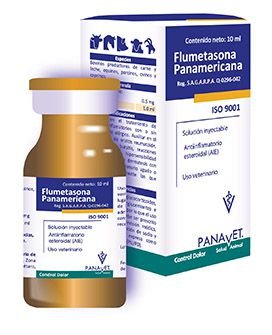

Buy Flunixin Injection 50ml Online
Flunixin Injection 50ml is a veterinary injectable formulation containing flunixin, commonly supplied as flunixin meglumine, a non-steroidal anti-inflammatory drug (NSAID) used in veterinary medicine for the management of pain, inflammation, and fever in certain animal species. Official veterinary medicine records document 50 mg/ml flunixin formulations for horses, cattle, and, depending on the specific product, pigs.
The exact regulatory status, approved species, indications, route, withdrawal period, and even package presentation can differ between manufacturers and countries. For example, an Irish-authorized Flunixin Injection is supplied in a 50 ml Type I clear glass vial and is prescription-only, while U.S. FDA labeling for a flunixin 50 mg/ml injection identifies horses and cattle and restricts supply to use by or on the order of a licensed veterinarian.
For equine customers, flunixin is particularly relevant because official veterinary labeling identifies its use in horses for conditions involving musculoskeletal inflammation and pain and, for some formulations, visceral pain associated with colic.
Flunixin Injection 50ml refers to a 50 ml presentation of an injectable veterinary medicine containing flunixin, generally formulated as flunixin meglumine.
The strength commonly encountered in veterinary products is 50 mg/ml flunixin, equivalent to approximately 83 mg/ml flunixin meglumine. For example, the U.S. FDA labeling for Flunixin Injection identifies 50 mg flunixin per ml, equivalent to 83 mg flunixin meglumine per ml.
An official European veterinary product record similarly identifies a flunixin 50 mg/ml injectable solution for cattle, horses, and pigs, with flunixin meglumine as the active substance.
The 50 ml presentation is significant because veterinary flunixin products are also sold in larger containers. An Irish-authorized Flunixin Injection, for example, is supplied in both 50 ml and 100 ml Type I glass vials.
Because multiple manufacturers produce flunixin injections, the product name alone should not be used to assume that every 50 ml vial has identical excipients, approved indications, species, withdrawal periods, or storage requirements.
Flunixin Injection 50ml Overview
| Product characteristic | Information |
|---|---|
| Focus keyword | Flunixin Injection 50ml |
| Active substance | Flunixin / flunixin meglumine |
| Common strength | 50 mg/ml flunixin |
| Flunixin meglumine equivalent | Approximately 83 mg/ml |
| Pharmaceutical form | Solution for injection |
| 50 ml presentation | Documented for several veterinary formulations |
| Veterinary class | NSAID |
| Target species | Horses and other food-producing species depending on product |
| Equine context | Musculoskeletal inflammation/pain; colic-related visceral pain for some labeled products |
| Supply status | Prescription veterinary medicine for documented products |
| Routes | Product-specific; official labels include IV and, for some products, IM use |
| Manufacturer | Varies by product |
| Regulatory status | Country- and formulation-specific |
| Competition status | Must be checked against applicable rules |
| Withdrawal periods | Product-, species-, route-, and country-specific |
The information above reflects documented flunixin products rather than assuming that every product marketed under the generic description has identical labeling.
What Is Flunixin?
Flunixin is a veterinary NSAID with analgesic, anti-inflammatory, and antipyretic activity.
The FDA-approved labeling for Flunixin Injection describes flunixin meglumine as a non-narcotic analgesic agent with anti-inflammatory and antipyretic activity.
In practical veterinary medicine, this means flunixin can be used when the veterinarian needs to address clinical signs involving:
- Pain
- Inflammation
- Fever
- Certain musculoskeletal disorders
- Certain forms of visceral pain
Its use should be based on the animal’s condition and the approved labeling applicable to the specific product.
Flunixin is not an antibiotic
Flunixin is an NSAID, not an antimicrobial.
It does not replace appropriate antimicrobial treatment when an infection requires an antibiotic.
Likewise, reducing fever or inflammation does not necessarily eliminate the underlying cause of disease.
This distinction is particularly important in horses, where signs such as fever, abdominal pain, lameness, or reduced performance may have many possible underlying causes.
Flunixin Injection 50ml Composition
The exact formulation varies by manufacturer, but official product information provides useful examples.
A U.S. FDA label for Flunixin Injection identifies each ml as containing:
- 50 mg flunixin
- Equivalent to 83 mg flunixin meglumine
- Edetate disodium
- Sodium formaldehyde sulfoxylate
- Diethanolamine
- Propylene glycol
- Phenol as preservative
- Hydrochloric acid
- Water for injection
A European Flunishot 50 mg/ml formulation similarly identifies 50 mg flunixin per ml, equivalent to 83 mg flunixin meglumine, with phenol and sodium formaldehyde sulfoxylate among its listed excipients.
Therefore, customers should check the exact label rather than assuming that all products called Flunixin Injection have identical excipients.
How Flunixin Fits Into Veterinary Medicine
NSAIDs such as flunixin are used to help manage inflammation, pain, and fever.
For horses, this can be particularly relevant because inflammation and pain may accompany:
- Musculoskeletal disorders
- Soft-tissue inflammation
- Certain acute painful conditions
- Colic
- Other veterinary conditions where an NSAID is clinically appropriate
The choice of NSAID depends on the animal, diagnosis, concurrent medications, hydration status, organ function, and the veterinarian’s assessment.
Flunixin should therefore be considered part of a broader veterinary treatment plan rather than a general-purpose pain injection.
Equine Veterinary Applications
Official product information establishes equine uses for several flunixin 50 mg/ml formulations.
For example, the European Flunishot product information states that in horses it is used for alleviation of inflammation and pain associated with musculoskeletal disorders and alleviation of visceral pain associated with colic.
U.S. FDA labeling for flunixin injection likewise identifies horses as a target species and describes use for inflammation and pain associated with musculoskeletal disorders and visceral pain associated with colic.
Musculoskeletal conditions
Musculoskeletal pain can arise from numerous conditions affecting:
- Muscles
- Tendons
- Ligaments
- Joints
- Bones
- Other locomotor structures
Flunixin may be incorporated into veterinary treatment when an NSAID is appropriate.
The specific diagnosis remains important because pain relief alone does not determine the underlying cause.
Colic
Colic describes abdominal pain rather than a single disease.
This distinction is critical.
A horse showing signs of colic may have anything from a relatively mild gastrointestinal disturbance to a serious surgical condition.
Flunixin can reduce visceral pain and inflammatory signs in labeled veterinary contexts, but pain control should not replace veterinary examination of a horse with suspected colic.
A horse showing significant or persistent abdominal pain requires appropriate veterinary assessment.
Flunixin as an NSAID
NSAIDs work through pathways involved in the production of inflammatory mediators.
The resulting pharmacological effects can include reductions in:
- Pain
- Inflammation
- Fever
The therapeutic value of an NSAID must always be balanced against possible adverse effects.
This is why product labeling places important restrictions and warnings around conditions such as gastrointestinal ulceration, renal disease, hepatic disease, and dehydration.
Key Product Characteristics
50 mg/ml strength
A 50 mg/ml flunixin strength is widely documented in veterinary injectable products.
50 ml vial
A 50 ml package is specifically documented for certain flunixin products. The Irish Flunixin Injection record identifies a 50 ml Type I clear glass vial with a bromobutyl stopper and aluminum cap.
Injectable formulation
The product is supplied as a sterile veterinary solution for injection.
Prescription veterinary medicine
Documented products in the European veterinary database are classified as veterinary medicinal products subject to veterinary prescription.
The U.S. FDA label likewise states that federal law restricts the product to use by or on the order of a licensed veterinarian.
Equine relevance
Horses are included among the target species for multiple official flunixin products.
Safety and Veterinary Supervision
Flunixin is a pharmacologically active NSAID, so veterinary supervision is important.
The official product information contains significant warnings relating to gastrointestinal, renal, hepatic, cardiovascular, and blood-related conditions.
Before treatment, a veterinarian may need to consider:
- Hydration status
- Kidney function
- Liver function
- Gastrointestinal health
- Existing ulceration
- Bleeding risk
- Cardiovascular status
- Current medications
- Previous NSAID reactions
- Pregnancy status
- Competition status
Why hydration matters
NSAIDs can present additional renal concerns when an animal is dehydrated or has compromised kidney function.
This is particularly relevant in horses experiencing:
- Severe illness
- Prolonged gastrointestinal disease
- Significant fluid loss
- Exercise-related dehydration
- Other conditions affecting hydration
A veterinarian should determine whether NSAID treatment is appropriate.
Important Contraindications and Precautions
The exact contraindications depend on the product label.
European product information for Flunishot states that use is contraindicated in animals with cardiac, hepatic, or renal disease, where gastrointestinal ulceration or bleeding is possible, with hemorrhagic diathesis, or where hypersensitivity to the active substance or excipients is known.
Other warnings can apply depending on species and formulation.
Gastrointestinal concerns
NSAIDs can be associated with gastrointestinal adverse effects.
Extra caution is therefore warranted in animals with existing gastrointestinal disease or ulceration risk.
Kidney concerns
Renal function is particularly important when considering NSAID treatment.
Liver disease
The veterinarian should consider hepatic status when determining whether an NSAID is appropriate.
Blood disorders
Some product labels specifically caution against use where blood dyscrasias or bleeding disorders are present.
Hypersensitivity
Known hypersensitivity to flunixin or formulation components is an important contraindication in documented products.
Drug Interactions and Treatment Considerations
NSAIDs should not automatically be combined with other anti-inflammatory medicines.
Particular caution is warranted with other:
- NSAIDs
- Corticosteroids
- Nephrotoxic medicines
- Anticoagulant or blood-affecting medicines
The precise interaction profile depends on the animal and the products involved.
The veterinarian should therefore be given a complete list of medicines, supplements, and other treatments the animal is receiving.
Avoid unnecessary NSAID combinations
Combining anti-inflammatory medicines without veterinary direction can increase the potential for adverse effects.
A horse should not be switched between NSAIDs or combined with corticosteroids simply because both products are marketed for pain or inflammation.
Storage and Handling
Storage conditions should always be taken from the label of the exact manufacturer and presentation.
A 50 ml flunixin injection should remain in its original packaging until required and should be protected from conditions that could compromise product quality.
Important handling considerations include:
- Check the expiry date
- Inspect the vial before use
- Confirm the label and concentration
- Check that the container is intact
- Do not use visibly compromised product
- Follow the manufacturer’s storage conditions
- Keep veterinary medicines away from unauthorized access
Because different manufacturers may use different formulations and packaging, generic storage assumptions should not replace the product label.
Competition and Medication Rules
Flunixin is particularly important for competition horses because it is a pharmacologically active NSAID and may be regulated under medication-control rules.
The fact that a product is legally prescribed by a veterinarian does not necessarily mean that it is permitted immediately before or during competition.
Competition rules vary according to:
- Racing authority
- Equestrian federation
- Discipline
- Country
- Competition
- Medication policy
- Applicable withdrawal or detection requirements
Therefore, trainers and owners should consult the current rules of the relevant governing authority.
Therapeutic use and competition are different questions
A veterinarian may determine that flunixin is medically appropriate for a horse.
That does not automatically establish that the horse is eligible to compete while the medicine is present in its system.
This distinction is important when purchasing Flunixin Injection 50ml for an athletic horse.
Food-Producing Animal Considerations
Flunixin is also authorized for certain food-producing species in some jurisdictions.
Withdrawal periods are not universal.
For example, the EU record for one flunixin 50 mg/ml product reports different withdrawal information by species and route, including five days for horse meat/offal following intravenous use, while another Spanish/Italian product lists a 28-day horse meat withdrawal period.
These differences demonstrate why withdrawal periods must be taken from the exact product label and jurisdiction.
Do not transfer a withdrawal period from one flunixin product to another.
Milk-producing horses
Some official product information specifically states that a product is not authorized for use in animals producing milk for human consumption.
This is another reason to verify the exact product authorization rather than relying on general information about flunixin.
Regulatory and International Considerations
Flunixin is an established veterinary pharmaceutical, but regulatory details remain product-specific.
United States
The FDA has approved flunixin meglumine injectable products for veterinary use. A current FDA label for Flunixin Injection identifies 50 mg/ml strength and horses among the target species. It also states that the medicine is restricted to use by or on the order of a licensed veterinarian.
FDA materials also identify flunixin products as usable in horses under specified labeled or extra-label circumstances under applicable federal regulations.
European markets
European veterinary databases contain multiple authorized 50 mg/ml flunixin products for horses and other species.
For example, an Irish-authorized Flunixin Injection is listed as a prescription veterinary medicine and is supplied in 50 ml and 100 ml vials.
Other countries
Australia, Canada, South Africa, and other jurisdictions have their own veterinary-medicine requirements.
International availability through an online seller does not automatically establish that a particular formulation is authorized for use or importation in the customer’s country.
Purchasing Flunixin Injection 50ml
When purchasing Flunixin Injection 50ml, customers should verify more than simply the product name.
Confirm the active substance
The product should clearly identify flunixin or flunixin meglumine.
Confirm the strength
A common formulation is 50 mg/ml flunixin, but the exact label should be checked.
Confirm the vial size
For this product request, the relevant presentation is 50 ml.
Verify the manufacturer
Different manufacturers produce flunixin injections with potentially different labeling and regulatory status.
Check the package
The vial and closure should be intact.
Check the expiry date
Do not use an expired veterinary injectable.
Confirm local authorization
Prescription status, import rules, approved species, and availability vary between countries.
Confirm competition requirements
For performance horses, medication rules should be reviewed before treatment if competition participation is relevant.
Where To Buy Flunixin Injection 50ml Online
If you are looking for where to buy Flunixin Injection 50ml online, verify the exact product before placing an order.
World Equine Vet recommends checking:
- Product name
- Flunixin strength
- 50 ml presentation
- Manufacturer
- Batch number
- Expiry date
- Packaging integrity
- Country of authorization
- Prescription requirements
- Target species
- Veterinary indications
- Withdrawal requirements
- Competition restrictions
A legitimate veterinary supply channel should be able to provide sufficient product identification and appropriate documentation for the applicable market.
Because flunixin is a prescription veterinary medicine in documented U.S. and European products, purchasing decisions should comply with applicable veterinary-prescription requirements.
Why Choose World Equine Vet?
World Equine Vet provides product information designed to help customers understand veterinary medicines before making purchasing decisions.
For Flunixin Injection 50ml, that means distinguishing between:
- Active ingredient information
- Veterinary indications
- Product presentations
- Species authorization
- Safety warnings
- Prescription requirements
- Withdrawal periods
- Competition considerations
The exact manufacturer and country of purchase remain important because veterinary labels can differ.
Frequently Asked Questions
What is Flunixin Injection 50ml?
Flunixin Injection 50ml is a 50 ml presentation of an injectable veterinary medicine containing flunixin, commonly formulated as flunixin meglumine. A number of authorized products contain 50 mg/ml flunixin.
What is the active ingredient?
The active substance is flunixin, generally provided in the formulation as flunixin meglumine. A typical 50 mg/ml formulation contains 50 mg flunixin per ml, equivalent to approximately 83 mg flunixin meglumine.
Is Flunixin Injection used in horses?
Yes. Official veterinary product information identifies horses as a target species for multiple flunixin injectable products.
What is flunixin used for in horses?
Depending on the exact product label, flunixin is used in horses for alleviation of inflammation and pain associated with musculoskeletal disorders and for visceral pain associated with colic.
Is Flunixin an NSAID?
Yes. Flunixin is a non-steroidal anti-inflammatory drug with analgesic, anti-inflammatory, and antipyretic properties.
Is Flunixin Injection prescription-only?
Documented products are prescription veterinary medicines. The EU veterinary database identifies Flunixin Injection products as subject to veterinary prescription, while the U.S. FDA label states that federal law restricts the product to use by or on the order of a licensed veterinarian.
Does every Flunixin Injection have the same formulation?
No. Different manufacturers can use different excipients and may have different approved species, indications, routes, and regulatory labeling.
Is Flunixin Injection 50ml the same as Banamine?
Both can contain flunixin meglumine, but they are not necessarily identical products. Brand, manufacturer, formulation, concentration, packaging, authorization, and labeling should be checked for the exact product.
Can Flunixin be used for colic?
Certain approved flunixin products specifically identify visceral pain associated with equine colic as an indication.
However, colic can have serious underlying causes, so veterinary assessment is important.
Can Flunixin be used for lameness?
Some approved flunixin products identify inflammation and pain associated with musculoskeletal disorders in horses as an indication.
The underlying cause of lameness should still be evaluated by a veterinarian.
Is Flunixin an antibiotic?
No. Flunixin is an NSAID. It is used for pain, inflammation, and fever rather than as an antimicrobial treatment.
Can Flunixin be used with other NSAIDs?
Combining NSAIDs can increase adverse-effect risks and should only be done under veterinary direction.
Is Flunixin safe for every horse?
No medicine is universally appropriate for every animal. Product labeling includes important contraindications and precautions involving gastrointestinal, renal, hepatic, cardiovascular, blood-related, and hypersensitivity conditions.
Is Flunixin permitted in competition horses?
Competition status depends on the rules of the applicable organization. Veterinary authorization does not automatically mean that a horse can compete while receiving the medicine.
Does the withdrawal period always equal five days for horses?
No. Withdrawal periods vary by product, route, country, and authorization. One European product specifies five days for horse meat following intravenous use, while another authorized product lists 28 days.
Always use the exact product label.
How should Flunixin Injection 50ml be stored?
Follow the storage instructions supplied with the exact product and manufacturer. Keep the vial appropriately protected and in its original packaging, and do not use product that is expired, damaged, or visibly compromised.
Where can I buy Flunixin Injection 50ml online?
Flunixin injections are available through veterinary medicine suppliers in markets where the relevant product is authorized. Because documented products are prescription veterinary medicines, purchasing should comply with the applicable veterinary and pharmaceutical requirements.
Final Summary
Flunixin Injection 50ml is an injectable veterinary NSAID containing flunixin, commonly formulated as flunixin meglumine. A widely documented strength is 50 mg/ml flunixin, equivalent to approximately 83 mg/ml flunixin meglumine.
For horses, official product information supports veterinary applications involving musculoskeletal pain and inflammation, while certain products also carry an indication for visceral pain associated with colic.




Reviews
There are no reviews yet.