
Shop Veterinary Vitamins & Minerals Medicines Online
Shop veterinary vitamins and minerals medicines online at World Equine Vet and explore nutritional products designed to support the health and wellbeing of horses and other animals. Our collection includes equine vitamin supplements, horse mineral supplements, veterinary vitamins, animal nutrition products, trace mineral supplements, vitamin and mineral combinations, and specialized nutritional support products. Vitamins and minerals play important roles in normal physiological functions, including metabolism, bone development, muscle function, immune function, and overall nutritional balance. Individual requirements can vary according to species, age, diet, workload, physiological condition, and other factors, so products should always be selected according to their intended use and manufacturer’s instructions. World Equine Vet provides convenient online product information for customers in the USA, Europe, Australia, Switzerland, and other international markets. Review individual formulations and product specifications carefully, and seek appropriate veterinary or nutritional advice when an animal has specific health or dietary requirements.


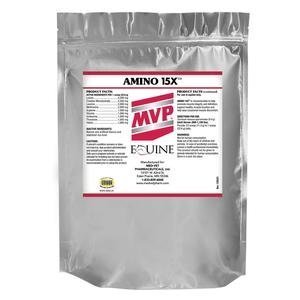
Amino 15X for Horses
$60.00
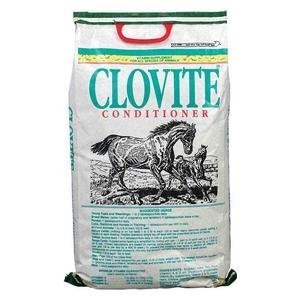
Clovite
$127.70
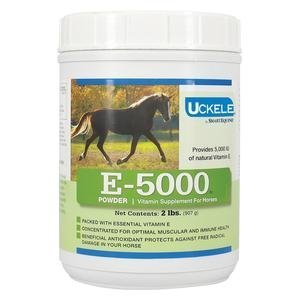
E-5000 for Horses
$98.90

E-Clipse’ PM for Horses
$137.90
E-SE-Mag Pellets for Horses
$83.55
Veterinary Vitamins & Minerals Medicines for Equine and Animal Nutritional Support
Vitamins and minerals are essential components of animal nutrition and contribute to numerous normal physiological processes. From maintaining healthy bones and muscles to supporting metabolism, immune function, tissue maintenance, and general nutritional balance, these nutrients form an important part of a well-managed feeding program. At World Equine Vet, our veterinary vitamins and minerals medicines category provides customers with a convenient place to explore products containing vitamins, minerals, trace elements, and combined nutritional formulations. The collection is particularly relevant to customers searching for veterinary vitamins, equine vitamin supplements, horse mineral supplements, vitamins for horses, animal vitamins and minerals, veterinary nutritional supplements, equine nutritional products, and animal health supplements online. Nutritional requirements are not identical for every animal. A horse in intensive training may have different nutritional considerations from a retired horse, while a growing animal may have different requirements from an adult. Diet, forage quality, geographic location, workload, age, reproductive status, and overall health can also influence nutritional needs. For this reason, selecting a vitamin or mineral product should involve more than choosing the product with the largest number of ingredients. Customers should review the formulation, intended species, nutritional quantities, manufacturer's directions, product specifications, and applicable professional guidance before use.Shop Veterinary Vitamins and Minerals Online
Customers searching for buy veterinary vitamins online, veterinary mineral supplements, animal vitamins and minerals, and equine nutritional supplements can use World Equine Vet to explore available products and review individual product information. Veterinary vitamin and mineral products can be supplied in many different forms, including powders, liquids, pastes, tablets, capsules, injections, and other specialized formulations. The appropriate form depends on the specific product and its intended use. When browsing a product page, customers should look for information such as:- Product name
- Intended animal species
- Active nutritional ingredients
- Vitamin content
- Mineral content
- Concentration or quantity
- Product size
- Manufacturer information
- Directions for use
- Storage instructions
- Product warnings
- Regulatory information where applicable
Equine Vitamin Supplements for Horses
Horses require a range of vitamins and minerals as part of normal nutrition. Most healthy horses can obtain many nutrients from forage and appropriately formulated feed, but individual nutritional programs can vary considerably. Equine vitamin supplements may be used when a particular nutritional program calls for additional vitamins or when a complete feed does not provide sufficient amounts of certain nutrients. Horse owners searching for horse vitamins, equine vitamins, vitamin supplements for horses, horse nutritional supplements, equine health supplements, and veterinary vitamins for horses should evaluate each product based on its actual nutritional composition. A supplement should complement the horse's complete diet. It should not be considered a replacement for good-quality forage, balanced feed, fresh water, appropriate exercise, and routine veterinary care.Horse Mineral Supplements
Minerals are important components of equine nutrition. They contribute to normal skeletal development, muscle and nerve function, fluid balance, enzyme activity, and other physiological processes. Horse mineral supplements can contain major minerals, trace minerals, or combinations of both. Common minerals found in equine nutritional products can include calcium, phosphorus, magnesium, sodium, potassium, zinc, copper, manganese, selenium, and other trace elements. The exact ingredients and quantities vary significantly between products. The balance between minerals can be as important as the individual quantities. For example, excessive supplementation of one mineral may interfere with the absorption or utilization of another. For that reason, horse owners should consider the animal's complete diet before adding multiple mineral products.Vitamins and Minerals for Equine Nutrition
Vitamins and minerals perform different but interconnected nutritional functions. Vitamins are organic compounds required in relatively small quantities for normal physiological processes. Minerals are inorganic nutrients involved in functions such as bone development, muscle activity, fluid regulation, enzyme systems, and other biological processes. A complete nutritional program considers both. When choosing equine vitamin and mineral supplements, customers should look at the complete formulation instead of selecting products based solely on the product title. A product containing a combination of vitamins and minerals may be convenient, but the correct choice depends on the animal's overall dietary intake.Common Vitamins in Veterinary Nutritional Products
Different veterinary vitamin products can contain different combinations of nutrients. Depending on the formulation, products may contain vitamins such as:- Vitamin A
- Vitamin D
- Vitamin E
- Vitamin K
- Vitamin C
- B-complex vitamins
- Other nutritional compounds
Trace Mineral Supplements for Horses
Trace minerals are required in smaller quantities than major minerals but remain important to normal nutrition. Trace mineral products may contain nutrients such as zinc, copper, manganese, selenium, iron, iodine, and other elements depending on the formulation. Trace mineral supplements for horses are often considered when assessing the mineral composition of a horse's overall diet. However, supplementation should be approached carefully because mineral requirements differ and excessive intake of some minerals can create nutritional imbalances. If you are unsure whether a horse requires additional trace minerals, consider consulting an equine veterinarian or qualified animal nutrition professional.Vitamin E Supplements for Horses
Vitamin E is an important nutritional antioxidant and is frequently discussed in equine nutrition. Horse owners may search for vitamin E supplements for horses, particularly when researching nutritional programs for active horses or animals whose diets may not provide sufficient vitamin E. The appropriate amount depends on the horse's diet and individual circumstances. Customers should review the concentration of vitamin E in a product and consider the total amount supplied through all feed and supplements rather than looking at one product in isolation.Mineral Supplements and Horse Diets
A horse's mineral intake can come from forage, commercial feeds, ration balancers, salt, supplements, and other dietary sources. This makes it important to evaluate the complete diet before adding a mineral product. Forage analysis can sometimes help identify nutritional differences in hay or pasture. Soil, growing conditions, plant maturity, harvesting practices, and geographic region can influence mineral levels. Where nutritional deficiencies or imbalances are suspected, professional dietary assessment can provide more useful information than simply adding several overlapping supplements.Veterinary Vitamin and Mineral Products for Active Horses
Performance horses may have specific nutritional considerations related to workload, exercise, sweating, recovery, and feeding management. Owners and trainers may search for performance horse vitamins, equine mineral supplements, horse electrolyte products, equine nutritional supplements, and veterinary vitamins for performance horses. However, nutritional supplementation should form part of a complete management plan. Adequate forage, water, energy, protein, electrolytes, appropriate training, rest, and veterinary monitoring all contribute to the health and performance of an active horse. A vitamin or mineral product cannot compensate for an inadequate overall diet or inappropriate training program.Vitamins and Minerals for Growing Horses
Young horses have nutritional requirements associated with growth and development. Balanced nutrition is especially important during growth because excessive or inadequate intake of certain nutrients can have consequences for development. Products marketed as vitamins for young horses, mineral supplements for foals, equine growth supplements, and nutritional supplements for growing horses should therefore be evaluated carefully. Young animals should not receive multiple nutritional products without considering the complete diet and professional recommendations.Vitamins and Minerals for Older Horses
Older horses can have changing nutritional needs related to age, dental health, digestion, activity level, and overall condition. Some owners search for senior horse vitamins, senior horse mineral supplements, equine senior nutrition products, and horse supplements for older animals. Before introducing a supplement, consider whether changes in body condition or performance could be associated with an underlying health issue. Weight loss, changes in appetite, poor coat condition, reduced activity, or digestive changes should be discussed with a veterinarian rather than automatically attributed to a vitamin or mineral deficiency.Veterinary Nutritional Supplements for Animal Health
Although World Equine Vet has a strong equine focus, veterinary vitamin and mineral products can also be formulated for other animal species. Products intended for horses should not automatically be given to dogs, cats, cattle, sheep, goats, poultry, or other species. Different animals have different nutritional requirements, and some nutrients that are appropriate for one species may be unsuitable at the same quantity for another. Always check the intended species listed by the manufacturer.Choosing the Right Veterinary Vitamin Supplement
With many products available, choosing the right veterinary vitamin supplement can seem difficult. Start by identifying the nutritional objective. Are you looking for:- General vitamin support?
- Mineral supplementation?
- Trace mineral support?
- Vitamin E?
- A combined vitamin and mineral product?
- A species-specific nutritional formulation?
- Support for a particular dietary program?
How to Compare Veterinary Mineral Products
When comparing mineral products, consider: Mineral profile: Which minerals are included? Quantity: How much of each mineral is supplied? Form: Is the product a powder, liquid, paste, tablet, or another formulation? Species: Is it intended for horses or another animal? Diet: What other sources of the same minerals are already being consumed? Manufacturer: Is complete product information available? Directions: What does the manufacturer recommend? Storage: Does the product require specific storage conditions? These details provide a more meaningful basis for comparison than price alone.Equine Vitamin and Mineral Balance
Nutritional balance is one of the most important considerations when using supplements. Adding multiple products can unintentionally increase the intake of the same nutrients. This is particularly relevant when a horse receives a complete commercial feed, ration balancer, fortified treats, salt products, and separate vitamin or mineral supplements. Before combining products, compare their nutritional labels. A qualified equine nutritionist or veterinarian can help evaluate the total diet when there is uncertainty about nutrient intake.Veterinary Supplements for Horses in Training
Training increases the importance of effective nutritional management. Active horses may have increased energy requirements and may lose water and electrolytes through sweating. However, the nutritional response should be based on the actual workload and feeding program. Vitamin and mineral supplementation can be part of this broader approach where appropriate. Customers searching for horse supplements for training, equine performance vitamins, horse mineral supplements, and veterinary nutritional products for performance horses should consider the animal's entire diet rather than selecting a supplement solely because it is marketed for athletes.Vitamins and Minerals for Horse Recovery
Recovery after exercise involves multiple physiological processes. Adequate hydration, nutrition, rest, and appropriate management are central components of recovery. Certain nutritional products may be used to complement a horse's feeding program during periods of increased workload. However, vitamin and mineral products should not be represented as guaranteed recovery treatments. If a horse experiences prolonged fatigue, unusual stiffness, reduced appetite, breathing difficulty, or other concerning signs after exercise, professional veterinary assessment is appropriate.Responsible Use of Veterinary Vitamins and Minerals
Responsible supplementation begins with understanding what the animal already receives. Before introducing a new product:- Review the current feed.
- Review existing supplements.
- Identify overlapping nutrients.
- Check the new product's formulation.
- Confirm the intended species.
- Follow manufacturer's directions.
- Seek professional advice when nutritional needs are uncertain.
Veterinary Vitamins and Minerals in the USA
Customers in the United States searching for veterinary vitamins and minerals online, horse vitamins, equine mineral supplements, and animal nutritional products can browse the World Equine Vet category to explore available formulations. U.S. customers should distinguish between ordinary nutritional supplements and regulated veterinary medicines. Product classification can affect labeling, purchasing requirements, administration, and permitted claims. Where a product requires professional veterinary oversight or prescription authorization, customers should follow the applicable requirements.Veterinary Vitamins and Minerals in France, Germany and Italy
Customers in France, Germany, Italy, and other European markets may search for products using different terms, but English-language searches commonly include equine vitamins, horse mineral supplements, veterinary vitamins, animal nutritional supplements, and vitamin and mineral supplements for horses. Before purchasing from an international supplier, customers should verify that the product is permitted for their intended use and destination. European regulations concerning veterinary medicines, animal feed supplements, product labeling, and imports can vary depending on the product category and country.Veterinary Vitamins and Minerals in Spain and the Netherlands
Customers in Spain, the Netherlands, and surrounding European markets can use the World Equine Vet category to research available veterinary nutritional products. When ordering internationally, check product classification, import requirements, shipping restrictions, and any documentation that may be required. Do not assume that a product's availability online means that it is automatically approved for sale or import in every country.Australia and Switzerland
Australian and Swiss customers should also verify the requirements applicable to veterinary nutritional products before placing an international order. Country-specific rules can affect product importation, labeling, customs clearance, and permitted uses. Review the individual product information and check the requirements of the destination country before completing an international purchase.International Shipping for Veterinary Nutritional Products
World Equine Vet provides online access to veterinary and animal nutritional products for customers in international markets, subject to product availability and applicable shipping requirements. International orders can be affected by:- Customs procedures
- Import regulations
- Product classification
- Carrier restrictions
- Destination-country requirements
- Documentation
- Border inspections
Why Product Quality and Transparency Matter
Customers shopping for animal health products need reliable product information. A professional veterinary ecommerce store should provide clear details rather than relying on exaggerated claims. Important product information includes:- Exact product identity
- Manufacturer
- Ingredient list
- Nutritional quantities
- Intended species
- Product size
- Formulation
- Directions
- Storage requirements
- Expiry information
- Regulatory information where relevant