

Shop Equine Veterinary Ulcer Control Medicines Online
Explore equine veterinary ulcer control medicines at World Equine Vet, featuring products researched by horse owners, trainers, breeders, and equine-care professionals seeking nutritional and veterinary support for equine gastric health. Our category focuses on horse ulcer medicines, equine gastric support products, gastric ulcer treatment options, horse stomach health products, and veterinary ulcer-control solutions. Equine gastric problems can have multiple causes, and symptoms may overlap with other conditions, so persistent signs such as appetite changes, poor performance, behavioral changes, or discomfort should be evaluated by a qualified veterinarian. Review each product’s active ingredient, formulation, intended use, dosage information, storage requirements, and prescription status before purchase or administration. Customers in the USA, France, Germany, Italy, Spain, the Netherlands, Switzerland, Australia, and other international markets should also verify applicable veterinary medicine and import regulations before ordering.
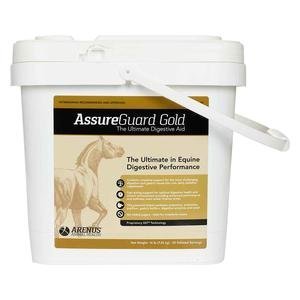


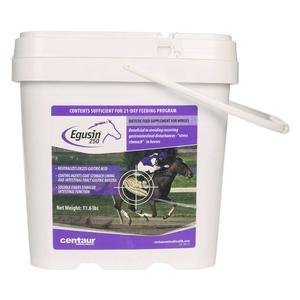




Equine Veterinary Ulcer Control Medicines for Horse Gastric Health
Equine gastric health is an important part of maintaining the overall wellbeing, comfort, feeding behavior, and performance of horses. Horses have a digestive system designed for frequent forage intake, and changes in feeding schedules, exercise, transport, management, stress, and diet can influence gastric conditions. For this reason, horse owners and equine professionals frequently research equine ulcer control medicines, gastric support products, and veterinary treatments for horses.
World Equine Vet provides an online category for customers searching for horse ulcer medicines, equine gastric medicines, veterinary ulcer treatments for horses, horse stomach support products, equine gastric support, horse digestive health products, and veterinary gastric care products.
Equine gastric ulcers are a veterinary health concern that can occur in different parts of the horse's stomach. Clinical signs are not always obvious, and symptoms can overlap with other gastrointestinal, musculoskeletal, dental, or behavioral problems. A horse that appears uncomfortable, changes eating habits, becomes reluctant to work, or shows an unexplained decline in performance may require professional veterinary assessment.
What Are Equine Gastric Ulcers?
Equine gastric ulcers are lesions that develop in the lining of the stomach. They can vary in severity, location, and underlying cause.
The stomach of a horse has different regions with different characteristics. Ulceration can affect the squamous mucosa or glandular portions of the stomach, and these conditions can have different risk factors and treatment considerations.
Because gastric disease is not always identifiable from outward signs alone, diagnosis and treatment should be guided by a qualified veterinarian.
For horse owners searching for equine gastric ulcer medicine, it is important to distinguish between products designed for veterinary treatment and nutritional supplements marketed for digestive support.
Equine Ulcer Control Medicines
Veterinary ulcer-control medicines may be prescribed or recommended depending on the diagnosed condition and the specific product.
Some medicines are designed to reduce gastric acidity or otherwise protect the stomach environment. Other products may be formulated as nutritional or digestive-support supplements rather than pharmaceutical treatments.
The appropriate choice depends on the horse, suspected condition, product formulation, and veterinary assessment.
Customers should always review the individual product information instead of assuming that all equine ulcer products work in the same way.
Horse Ulcer Treatment Products
Horse owners searching for horse ulcer treatment, equine ulcer medication, and gastric ulcer products for horses should consider several factors before choosing a product.
These include:
- The horse's clinical signs
- Veterinary diagnosis where appropriate
- Product active ingredient
- Formulation
- Intended indication
- Administration method
- Treatment duration
- Storage requirements
- Prescription status
- Competition regulations
- Other medicines currently being administered
This information can help support responsible product selection.
Signs That May Be Associated With Gastric Problems
Clinical signs of gastric disease can vary considerably.
Some horses may show relatively subtle changes, while others may display more noticeable signs.
Possible signs can include:
- Changes in appetite
- Reduced interest in feed
- Changes in eating behavior
- Poor performance
- Behavioral changes
- Irritability during grooming or saddling
- Reluctance to exercise
- Changes in body condition
- Recurrent mild digestive discomfort
- Girthiness
- Changes in attitude
These signs are not specific to gastric ulcers. Similar symptoms can occur with other medical problems.
Therefore, a horse should not be assumed to have gastric ulcers solely because one or more of these signs are present.
Veterinary Diagnosis of Equine Gastric Ulcers
Veterinary assessment is important when gastric ulceration is suspected.
A veterinarian may consider the horse's history, feeding program, exercise schedule, management conditions, clinical signs, and previous medical problems.
Gastroscopy can be used to directly examine the horse's stomach and identify gastric lesions.
A professional assessment is particularly important when symptoms are persistent, severe, recurrent, or associated with weight loss, significant appetite changes, colic-like behavior, or other health concerns.
Gastric Health and Horse Feeding
Feeding management is closely associated with equine gastric health.
Horses naturally spend substantial portions of the day consuming forage. Long periods without access to appropriate forage can alter the normal feeding pattern and gastric environment.
A suitable feeding program can therefore be an important component of overall gastric management.
Horse owners should consider:
- Consistent access to appropriate forage
- Appropriate meal frequency
- Suitable forage quality
- Avoiding unnecessary prolonged fasting
- Appropriate concentrate feeding
- Adequate water availability
- Individual nutritional requirements
A veterinarian or qualified equine nutrition professional can help develop an appropriate feeding strategy.
Horse Ulcer Medicines and Forage Management
Medication and management should not necessarily be viewed as alternatives.
Where a veterinarian diagnoses gastric disease and prescribes treatment, appropriate medication should be used according to professional instructions.
At the same time, management factors that may contribute to gastric stress should be evaluated.
This may involve adjusting feeding frequency, increasing forage availability, reviewing concentrate intake, managing exercise, and reducing unnecessary stressors.
Equine Gastric Support Products
Not every product marketed for equine gastric health is a pharmaceutical medicine.
Some equine gastric support supplements may contain nutritional ingredients intended to complement a horse's diet.
These products can differ from prescription veterinary medicines in their formulation, regulatory classification, evidence base, and intended purpose.
Customers should carefully distinguish between:
Veterinary medicines: Products authorized or intended to treat specific medical conditions.
Nutritional supplements: Products designed to provide nutritional or digestive support.
The product's label and applicable regulatory classification should be reviewed before use.
Horse Stomach Support Supplements
Horse stomach supplements are commonly researched by owners looking for additional nutritional support for gastric health.
Depending on the product, formulations may contain different nutritional ingredients or compounds.
However, supplements should not automatically be considered substitutes for veterinary treatment.
If gastric ulceration has been diagnosed, follow the veterinarian's treatment recommendations.
Equine Gastric Ulcers and Performance Horses
Performance horses can have management factors that may increase the importance of careful gastric-health management.
Frequent training, transport, competition, changes in routine, feeding schedules, and other stressors can affect an athletic horse's overall digestive management.
Owners and trainers may search for ulcer medicines for performance horses, equine gastric support for competition horses, and horse stomach supplements for athletes.
A complete management plan should consider nutrition, exercise, transportation, recovery, stable conditions, and veterinary care.
Horse Ulcer Control During Training
Training schedules should be considered when managing a horse with suspected or diagnosed gastric disease.
Exercise can influence gastric conditions, and feeding immediately before exercise may be considered as part of an overall management strategy.
However, feeding and exercise recommendations should be individualized.
A veterinarian or equine nutrition professional can provide guidance based on the horse's workload, condition, diet, and medical history.
Gastric Health and Stress in Horses
Stress can be an important consideration in equine gastric health.
Horses may experience stress during:
- Transport
- Competition
- Changes in stable environment
- Separation from familiar horses
- Changes in feeding routine
- Intensive training
- Extended periods of confinement
Reducing unnecessary stress may support general wellbeing and complement appropriate veterinary management.
Stress reduction does not replace treatment when a horse has diagnosed gastric disease.
Choosing an Equine Ulcer Medicine
When researching equine ulcer medicines online, customers should begin by identifying the exact product rather than relying on broad category terminology.
Important information includes the medicine's:
- Active ingredient
- Strength
- Formulation
- Intended species
- Approved indication
- Manufacturer
- Administration method
- Storage requirements
- Warnings
- Prescription requirements
Different products can have substantially different characteristics even when they are marketed for similar purposes.
Oral Equine Gastric Medicines
Many equine gastric products are administered orally.
Depending on the product, oral medicines may be supplied as pastes, gels, liquids, powders, tablets, or other formulations.
The administration method should always follow the manufacturer's instructions and veterinary recommendations.
Do not alter the dose or frequency simply because the horse appears to improve or because another horse has received a different regimen.
Equine Gastric Medicines and Veterinary Supervision
Veterinary supervision can be particularly important when treating diagnosed gastric disease.
A veterinarian can determine whether treatment is appropriate and whether additional investigation is necessary.
Professional oversight can also help identify other conditions that may produce similar clinical signs.
If symptoms do not improve as expected, further evaluation may be necessary rather than simply increasing the amount of medication.
Equine Ulcer Medicines and Other Drugs
Horses may receive several medicines at the same time.
Before introducing an ulcer-control medicine or supplement, tell the veterinarian about all current medications, supplements, and feed additives.
This is particularly important when the horse is receiving long-term treatment or several products with overlapping ingredients.
The veterinarian can determine whether products can appropriately be used together.
Equine Gastric Health and Competition Rules
Competition horses require additional consideration when using medicines.
Some veterinary medicines can be prohibited or restricted under competition rules, even when they are medically appropriate.
Withdrawal periods and detection times may also apply.
Owners and trainers should check the current regulations of their relevant governing body before administering medication to a competition horse.
Do not assume that a product is competition-safe simply because it is marketed as an equine digestive or ulcer product.
Equine Ulcer Medicines in the USA
Customers in the United States searching for horse ulcer medicine online, equine gastric medicines, and veterinary ulcer-control products should verify the regulatory classification and prescription status of each product.
Some veterinary medicines require veterinary authorization.
Customers should follow applicable U.S. requirements and use veterinary medicines according to the manufacturer's instructions and professional veterinary guidance.
Equine Ulcer Products in France and Germany
Customers in France and Germany researching equine gastric medicines, horse ulcer treatments, and veterinary digestive products should verify local authorization, prescription requirements, and import regulations.
European veterinary medicine regulations can differ according to product classification and national requirements.
International availability does not automatically establish that a product can legally be imported or used in a particular country.
Equine Ulcer Medicines in Italy and Spain
Customers in Italy and Spain should similarly verify the requirements applicable to the specific veterinary medicine or supplement.
Before placing an international order, consider whether the product requires a prescription, whether importation is permitted, and whether additional documentation is required.
Equine Ulcer Products in the Netherlands and Switzerland
Customers in the Netherlands and Switzerland should review local requirements before purchasing veterinary gastric medicines from an international supplier.
Product classification, veterinary authorization, importation, and customs requirements can differ between markets.
Equine Ulcer Medicines in Australia
Australian customers should verify current Australian requirements for veterinary medicines and animal health products before ordering internationally.
Importation rules can depend on the product, formulation, ingredients, intended use, and regulatory classification.
International Shipping of Veterinary Ulcer Medicines
International shipping of veterinary medicines can involve additional considerations.
Depending on the product and destination, customers may encounter:
- Prescription requirements
- Import restrictions
- Customs clearance
- Documentation requirements
- Carrier restrictions
- Product-specific handling requirements
- Temperature considerations
Customers should confirm that the product can legally be imported into their country before placing an order.
Storage of Equine Ulcer Medicines
Storage requirements differ from product to product.
Some medicines may require controlled room temperature, while others can require refrigeration or protection from light.
Always follow the storage instructions printed on the product packaging or provided by the manufacturer.
Improper storage can affect product quality.
Responsible Use of Equine Ulcer-Control Products
Responsible use begins with understanding what the product is intended to do.
Before using an equine ulcer-control product:
- Identify the horse's symptoms or diagnosis.
- Consult a veterinarian when gastric disease is suspected.
- Confirm the product's intended species.
- Review the active ingredient.
- Follow the recommended administration instructions.
- Check storage requirements.
- Consider competition restrictions.
- Monitor the horse's response.
- Contact a veterinarian if symptoms persist or worsen.
This approach helps ensure that treatment decisions are based on the individual horse rather than generic online recommendations.
Why Horse Owners Research Equine Ulcer Medicines Online
Online veterinary categories can make it easier to compare product information before speaking with a veterinarian or making a purchase.
Horse owners may search for terms including:
- Equine ulcer medicine
- Horse ulcer treatment
- Gastric ulcer medicine for horses
- Equine gastric medicine
- Horse stomach medicine
- Equine gastric support
- Horse digestive support
- Veterinary ulcer medicine
- Equine gastric health products
- Horse ulcer control products
These searches represent different customer needs, so detailed and accurate product information is important.
Frequently Asked Questions
What are equine ulcer-control medicines?
Equine ulcer-control medicines are veterinary products used in the management of diagnosed or suspected gastric conditions in horses. The appropriate medicine depends on the condition and product.
How can I tell if my horse has gastric ulcers?
Signs can be subtle and may overlap with other conditions. Veterinary assessment and, where appropriate, diagnostic procedures such as gastroscopy can help determine whether gastric ulceration is present.
What are common signs of gastric discomfort in horses?
Possible signs include changes in appetite, performance, behavior, eating habits, and general comfort. These signs are not specific to ulcers and require appropriate evaluation.
Are horse ulcer medicines the same as gastric supplements?
No. Veterinary medicines and nutritional supplements can have different formulations, regulatory classifications, and intended purposes.
Can supplements replace veterinary ulcer medication?
Nutritional supplements should not be considered automatic substitutes for prescribed veterinary treatment.
Can performance horses develop gastric problems?
Yes. Performance horses may experience management factors associated with increased gastric-health considerations, including training, transport, competition, feeding schedules, and stress.
Can I use the same ulcer medicine for every horse?
No. Treatment should be appropriate for the individual horse and the diagnosed or suspected condition.
Are equine ulcer medicines allowed in competition?
Not necessarily. Competition rules can restrict certain medicines. Always check the regulations of the applicable governing organization.
Can equine ulcer medicines be shipped internationally?
This depends on the product and destination. Prescription requirements, customs rules, import restrictions, and product classification may affect international shipment.
When should I contact a veterinarian?
Contact a veterinarian when a horse has persistent or concerning digestive or behavioral changes, unexplained poor performance, appetite changes, weight loss, recurrent discomfort, or other signs that could indicate an underlying medical problem.
Shop Equine Veterinary Ulcer Control Medicines at World Equine Vet
World Equine Vet provides an online category for customers researching equine veterinary ulcer control medicines, horse ulcer treatments, equine gastric medicines, horse stomach support products, and veterinary gastric health solutions.
Customers in the USA, France, Germany, Italy, Spain, the Netherlands, Switzerland, Australia, and other international markets should review individual product information and confirm the applicable requirements before ordering.
Equine gastric health involves more than medication alone. Appropriate forage, feeding management, stable conditions, exercise, stress management, veterinary assessment, and individualized nutritional planning can all contribute to a comprehensive approach to horse health.
Browse the Equine Veterinary Ulcer Control Medicines collection at World Equine Vet to compare available products, review their specifications, and make informed purchasing decisions based on the needs of your horse.