Buy Veterinary Supplements Medicines Online
Shop veterinary supplements and animal health products online at World Equine Vet and explore a broad selection of nutritional and supportive products for horses and other animals. Our collection includes equine supplements, horse vitamins, mineral supplements, digestive support products, joint support supplements, performance nutrition, calming products, electrolyte supplements, and veterinary nutritional formulas. Each animal has individual nutritional requirements based on species, age, diet, workload, physiological condition, and overall health, so products should be selected carefully and used according to the manufacturer’s directions. Where a product is classified as a veterinary medicine or requires professional oversight, appropriate veterinary guidance should be obtained before use. Customers in the USA, France, Germany, Italy, Spain, the Netherlands, Switzerland, Australia, and other international markets should also verify local requirements before purchasing or importing animal health products.
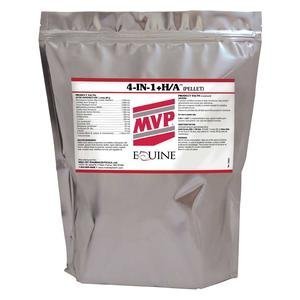
4-in-1 + H/A for Horses
$86.75
5-in-1 + H/A for Horses
$155.00


Adrenal Formula for Horses
$123.95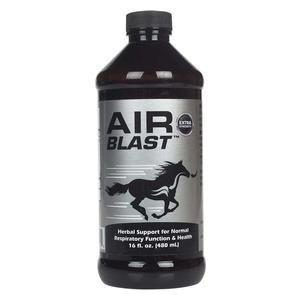

Air-Way EQ for Horses
$75.50

Align for Horses
$140.85
AllerSaver Equine
$185.60
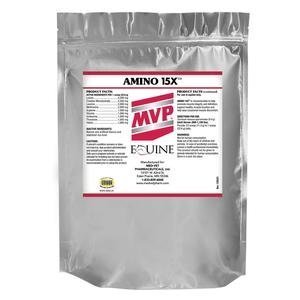
Amino 15X for Horses
$60.00Veterinary Supplements and Animal Health Products Online
Veterinary supplements can form an important part of a carefully planned animal nutrition and wellness program. Horses, dogs, cats, livestock, and other animals have different nutritional requirements, and those requirements can change according to age, activity, diet, reproductive status, environment, and health.
World Equine Vet provides a dedicated destination for customers searching for veterinary supplements medicines online, animal health supplements, equine supplements, horse vitamins, veterinary nutritional products, mineral supplements, digestive support, joint supplements, performance supplements, electrolyte products, and specialized animal nutrition.
The term "veterinary supplement" can cover many different types of products. Some provide vitamins and minerals, while others are formulated to complement digestive health, joint function, exercise nutrition, hydration, or general nutritional balance.
It is therefore important to evaluate every product individually rather than assuming that all supplements have the same purpose or level of evidence.
Shop Veterinary Supplements Online
Customers researching veterinary supplements online can browse products according to the animal's nutritional or supportive needs.
Depending on the available formulation, veterinary supplement categories may include:
- Vitamins and minerals
- Equine nutritional supplements
- Joint support
- Digestive support
- Electrolytes
- Performance nutrition
- Calming support
- Skin and coat nutrition
- Respiratory support
- Recovery nutrition
- General wellness products
- Specialized nutritional formulas
The appropriate product depends on the individual animal and its existing diet.
Equine Veterinary Supplements
Horses are among the animals for which nutritional supplementation is frequently considered.
Equine veterinary supplements can provide vitamins, minerals, amino acids, electrolytes, or other nutritional ingredients designed to complement a horse's feeding program.
Horse owners may search for:
- Horse supplements
- Equine vitamins
- Horse mineral supplements
- Equine nutritional products
- Performance horse supplements
- Horse digestive supplements
- Equine joint supplements
- Horse electrolyte supplements
- Senior horse supplements
The correct choice should be based on the horse's overall nutritional intake and individual circumstances.
Horse Vitamins and Mineral Supplements
Vitamins and minerals are essential nutrients involved in many normal physiological processes.
A horse's nutritional intake can come from forage, pasture, commercial feed, ration balancers, salt, and supplements.
Because several products can contain overlapping ingredients, horse owners should review the complete diet before introducing additional vitamin or mineral products.
Excessive supplementation is not necessarily beneficial and can create nutritional imbalances with certain nutrients.
Equine Joint Supplements
Joint-support products are another commonly researched category of equine supplements.
Horse owners may look for equine joint supplements, horse joint support, mobility supplements for horses, and veterinary joint products when managing an active, aging, or performance horse.
Formulations vary widely and can contain different combinations of nutritional ingredients.
A joint supplement should not be viewed as a substitute for veterinary evaluation when a horse is showing lameness, swelling, persistent stiffness, reduced performance, or other signs of musculoskeletal disease.
Horse Digestive Supplements
Digestive-support products are designed to complement nutritional management of the gastrointestinal system.
Customers may search for horse digestive supplements, equine digestive support, horse gut supplements, and veterinary digestive products.
A horse's digestive health is influenced by forage intake, feeding frequency, diet composition, hydration, exercise, stress, and other management factors.
A supplement can form part of a feeding program, but it should not be used to conceal persistent symptoms.
Signs such as recurrent colic, significant appetite changes, weight loss, diarrhea, or persistent digestive discomfort warrant veterinary assessment.
Equine Electrolyte Supplements
Horses can lose electrolytes through sweating, particularly during hot weather, transportation, prolonged exercise, or intensive training.
Electrolyte products may contain minerals such as sodium, chloride, potassium, and other electrolytes depending on the formulation.
Customers researching horse electrolyte supplements should consider the horse's workload, environmental conditions, water intake, diet, and total electrolyte consumption.
Fresh water should remain readily available.
Performance Supplements for Horses
Performance horses can have increased nutritional demands associated with exercise.
Owners and trainers may research equine performance supplements, horse performance nutrition, workout supplements for horses, and veterinary performance products.
A sound performance nutrition program should consider:
- Energy intake
- Protein quality
- Vitamins
- Minerals
- Electrolytes
- Hydration
- Forage
- Recovery
- Exercise intensity
- Rest
Supplements should complement these fundamentals rather than replace them.
Veterinary Supplements for Senior Horses
Older horses can have changing nutritional requirements.
Dental issues, reduced digestive efficiency, changes in activity, altered body condition, and other age-related factors can influence nutritional management.
Products marketed as senior horse supplements, senior equine vitamins, and nutritional supplements for older horses may be considered as part of an appropriate diet.
However, unexplained weight loss, poor appetite, reduced activity, or changes in body condition should be investigated by a veterinarian rather than automatically attributed to aging.
Supplements for Growing Horses
Growing horses require carefully balanced nutrition.
Young animals have nutritional requirements associated with skeletal development, muscle development, and normal growth.
Vitamin and mineral supplementation should be carefully considered because both inadequate and excessive intake of certain nutrients can be undesirable.
Products intended for adult horses should not automatically be used for foals or growing animals.
Veterinary Calming Supplements
Some animal supplements are formulated to provide nutritional support for horses that experience changes in routine, transportation, competition, or other potentially stressful situations.
Customers may search for equine calming supplements, horse calming products, veterinary calming support, and horse stress supplements.
A calming supplement should not be considered a treatment for significant behavioral or medical problems.
Sudden changes in behavior should be investigated appropriately, particularly when accompanied by pain, appetite changes, lameness, or other symptoms.
Veterinary Skin and Coat Supplements
Skin and coat products can provide nutritional ingredients intended to complement an animal's diet.
Customers may search for horse coat supplements, equine skin supplements, veterinary skin nutrition, and horse hair coat vitamins.
Coat condition can be influenced by nutrition, parasites, environmental factors, grooming, allergies, and underlying health problems.
A supplement may complement nutritional management, but persistent skin abnormalities should receive appropriate veterinary attention.
Veterinary Respiratory Support Supplements
Some nutritional products are marketed for respiratory support.
Horse owners may search for equine respiratory supplements, horse breathing support products, and veterinary respiratory nutrition.
Respiratory symptoms should not automatically be treated with supplements. Persistent coughing, nasal discharge, breathing difficulty, poor performance, or other respiratory changes may require veterinary diagnosis.
Amino Acid Supplements for Animals
Amino acids are components of proteins and play important roles in normal tissue maintenance and physiological function.
Animal nutrition products may contain individual amino acids or combinations of amino acids.
Customers researching veterinary amino acid supplements, equine amino acid products, horse muscle nutrition, and animal protein supplements should consider the animal's complete protein intake.
The nutritional value of an amino acid product depends on the formulation and the animal's existing diet.
Vitamin B Products for Horses
B vitamins are commonly included in equine nutritional formulations.
Different B vitamins have different biological functions, and requirements can vary according to diet and individual circumstances.
Customers should review the specific formulation rather than assuming that every B-vitamin product provides the same nutritional benefit.
Vitamin E and Selenium Products
Vitamin E and selenium are nutrients frequently discussed in equine nutrition.
Both are important, but appropriate intake is particularly important because excessive supplementation of selenium can be harmful.
Horse owners should consider all dietary sources before adding a vitamin E or selenium product.
Professional nutritional advice may be appropriate when the diet is uncertain.
Veterinary Nutritional Products for Active Animals
Animals involved in demanding physical activity may require careful nutritional planning.
For working horses, competition animals, sporting dogs, and other active animals, diet should provide appropriate energy, protein, vitamins, minerals, water, and electrolytes.
Veterinary supplements can complement this nutritional foundation where appropriate.
They should not be marketed or used as replacements for adequate feeding, hydration, exercise management, and veterinary care.
How to Choose Veterinary Supplements
Choosing a veterinary supplement should begin with identifying the animal and the intended nutritional purpose.
Consider:
Species: Is the product intended for horses, dogs, cats, livestock, or another animal?
Age: Does the formulation suit a young, adult, or senior animal?
Diet: What nutrients are already being provided?
Purpose: Is the goal nutritional balance, joint support, digestive support, hydration, or another purpose?
Ingredients: What active or nutritional ingredients are present?
Quantity: What amount is provided per serving?
Manufacturer: Is clear product information available?
Directions: Are administration instructions clearly provided?
Storage: Does the product have specific storage requirements?
This approach makes supplement selection more informed and reduces unnecessary duplication.
Read the Product Label Carefully
The product label provides essential information about how a supplement is intended to be used.
Before ordering, review:
- Ingredient list
- Nutritional quantities
- Intended species
- Serving or administration instructions
- Product size
- Manufacturer
- Warnings
- Storage information
- Expiration information
- Regulatory classification
Customers should not rely solely on marketing phrases such as "premium," "advanced," or "complete."
The actual formulation provides more useful information for comparison.
Veterinary Supplements Versus Veterinary Medicines
The terms "supplement" and "medicine" should not be treated as interchangeable.
A veterinary medicine is generally intended to prevent, diagnose, or treat a disease or medical condition and may be subject to specific authorization and prescription requirements.
A nutritional supplement is generally intended to complement the animal's diet.
The applicable classification depends on the product and jurisdiction.
Customers should check the specific product information and applicable regulations before use.
Veterinary Supplements and Prescription Medicines
Animals receiving prescription medicines may also receive nutritional supplements, but this should be considered carefully.
Tell your veterinarian about all supplements, medicines, feed additives, and nutritional products the animal receives.
This is especially important when an animal is undergoing treatment for a chronic condition.
Professional guidance can help identify potential ingredient duplication and determine whether additional supplementation is appropriate.
Responsible Use of Veterinary Supplements
Responsible supplementation means using products for a clear purpose and according to appropriate directions.
Before introducing a new supplement:
- Review the animal's current diet.
- Identify the nutritional objective.
- Read the complete product label.
- Check the intended species.
- Review active and nutritional ingredients.
- Look for overlapping products.
- Follow manufacturer's directions.
- Monitor the animal.
- Consult a veterinarian when health problems are present.
This approach can help prevent unnecessary supplementation.
Veterinary Supplements for Horses in the USA
Customers in the United States searching for veterinary supplements online, horse vitamins, equine supplements, horse joint products, digestive supplements, and animal nutritional products should review each product's classification and intended use.
Certain products may be regulated differently depending on their ingredients and claims.
Customers should follow applicable federal and state requirements and use veterinary medicines according to professional instructions where required.
Veterinary Supplements in France, Germany and Italy
Customers in France, Germany, Italy, and other European markets should check local requirements before ordering animal health products internationally.
The regulatory classification of a product can influence labeling, sale, importation, and permitted claims.
Customers should ensure that products are suitable for their intended animal and legally permitted for their destination.
Veterinary Supplements in Spain and the Netherlands
Customers in Spain and the Netherlands can research equine and animal nutritional products online, but should verify applicable local requirements before international purchase.
This is particularly important when a product contains active pharmaceutical ingredients or is classified as a veterinary medicine rather than a nutritional supplement.
Veterinary Supplements in Switzerland and Australia
Customers in Switzerland and Australia should verify local requirements concerning animal health products, supplements, veterinary medicines, and imports.
International availability does not necessarily mean a particular product is authorized for unrestricted importation into every destination.
International Shipping of Veterinary Supplements
International orders can be affected by:
- Customs requirements
- Import regulations
- Product classification
- Destination-country restrictions
- Carrier requirements
- Documentation
- Temperature or storage considerations
Before ordering, customers should confirm that the product can legally be shipped and imported into their destination country.
Veterinary Supplements and Competition Animals
Owners of competition horses should consider applicable sporting regulations when selecting supplements.
Some products may contain ingredients that are prohibited or restricted under competition rules.
This can be particularly important for products marketed for performance, calming, recovery, pain management, or other specialized purposes.
Always check the current rules of the relevant governing body before administering a product to a competition animal.
Quality and Product Transparency
Customers purchasing animal health products online should look for transparent product information.
A professional product listing should clearly identify the product, its formulation, intended species, manufacturer, directions, and relevant warnings.
World Equine Vet's veterinary supplement category is intended to make product discovery easier while encouraging customers to review individual product information before making a purchase.
Frequently Asked Questions
What are veterinary supplements?
Veterinary supplements are products designed to complement an animal's diet or provide nutritional support. They can include vitamins, minerals, amino acids, electrolytes, digestive products, joint-support formulas, and other nutritional ingredients.
Are veterinary supplements medicines?
Not necessarily. Supplements and veterinary medicines can have different regulatory classifications and purposes. Always check the specific product.
Can I give a horse any veterinary supplement?
No. Products should be used only for the species and purpose indicated by the manufacturer. Nutritional requirements vary between animals.
Are horse vitamins necessary for every horse?
Not necessarily. A balanced diet may provide many essential nutrients. Supplementation should be based on the animal's complete nutritional program.
Can several supplements be used together?
They can contain overlapping ingredients, so combining products should be approached carefully. Review the complete nutritional labels and seek professional advice when necessary.
Are veterinary supplements suitable for performance horses?
Some products are specifically formulated for nutritional support of active horses. Competition rules should always be checked before administering supplements to competition animals.
Can supplements replace veterinary treatment?
No. Nutritional supplements should not be used as substitutes for diagnosis or treatment of disease.
Can I order veterinary supplements internationally?
International ordering depends on the product and destination. Import, customs, carrier, and regulatory requirements can apply.
Should I ask my veterinarian before using a supplement?
Veterinary advice is particularly appropriate when an animal has a medical condition, receives medication, is pregnant, is very young or elderly, or has unusual nutritional requirements.
Shop Veterinary Supplements Online at World Equine Vet
World Equine Vet provides a convenient online category for customers researching veterinary supplements, equine supplements, horse vitamins, mineral products, digestive support, joint supplements, performance nutrition, electrolytes, calming products, and specialized animal health supplements.
Customers searching from the USA, France, Germany, Italy, Spain, the Netherlands, Switzerland, Australia, and other international markets can review individual product information and determine whether a particular formulation is suitable for their intended animal and nutritional program.
Responsible supplementation begins with understanding the animal's complete diet and nutritional requirements. Review the ingredients, intended species, directions, storage information, and regulatory classification of every product before use.
For animals with medical conditions or unexplained symptoms, professional veterinary advice should be obtained rather than relying on supplementation alone.
Browse World Equine Vet's Veterinary Supplements collection to explore available products and compare nutritional formulations for responsible animal health management.