

Buy ATP Injection Online
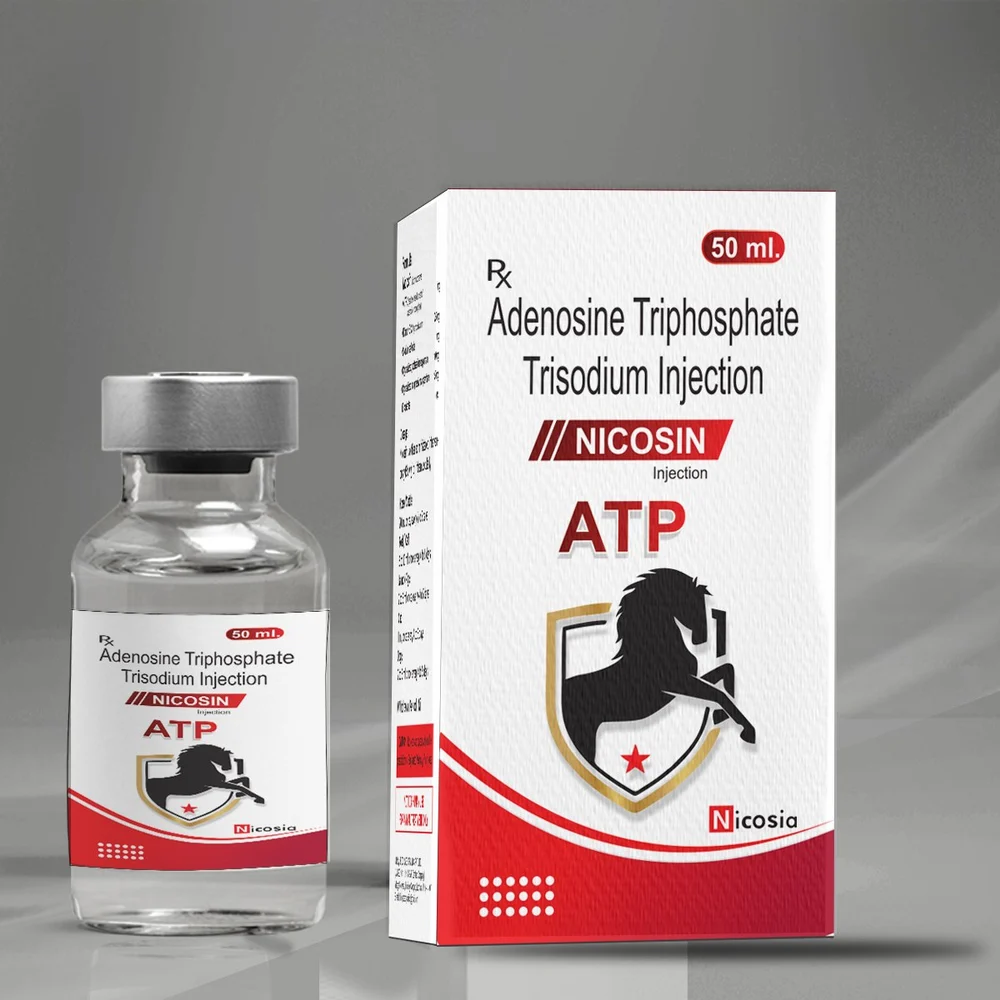
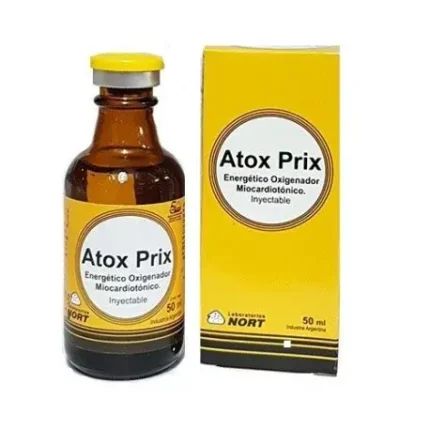
ATP Injection is a veterinary injectable product name used commercially for formulations centered on adenosine triphosphate (ATP), a molecule fundamental to cellular energy metabolism. However, the name is not specific to one universally standardized veterinary formulation: products sold under ATP Injection can differ substantially in concentration, additional ingredients, manufacturer, species claims, and regulatory status. For example, one veterinary manufacturer lists an ATP/B12 product containing ATP, cyanocobalamin and sodium selenite, while other commercial ATP Injection listings describe different formulations.
That distinction is important when researching or purchasing ATP Injection for horses or other animals. The current vial label, manufacturer documentation and applicable veterinary regulations should be checked rather than assuming that every product carrying the ATP Injection name has the same composition.
What Is ATP Injection?
ATP Injection generally refers to a veterinary injectable formulation containing adenosine triphosphate, although the exact composition depends on the manufacturer.
ATP is a naturally occurring molecule involved in transferring chemical energy within cells. Muscles, nerves and other tissues continually produce and consume ATP as part of normal metabolism.
Commercial veterinary products use ATP as part of formulations marketed for various purposes, including recovery from fatigue, metabolic support and support during periods of physical or transportation stress. A veterinary product from Asta Pharma, for example, lists ATP together with vitamin B12 and sodium selenite and describes its use in horses, cattle, buffalo, pigs, sheep, dogs, cats and poultry.
Other products sold under the simpler name ATP Injection are marketed specifically toward equine athletes. Because these products do not necessarily share the same formulation, buyers should verify the exact product before purchase.
ATP Injection Overview
| Product detail | Information |
|---|---|
| Product name | ATP Injection |
| Primary active component commonly associated with the name | Adenosine triphosphate (ATP) |
| Product type | Veterinary injectable formulation |
| Potential species | Depends on manufacturer and label |
| Equine use | Some commercial formulations are marketed for horses |
| Additional ingredients | May include vitamin B12, selenium or other components depending on product |
| Presentation | Varies by manufacturer |
| Regulatory status | Must be verified for the specific product and country |
| Veterinary supervision | Appropriate for injectable veterinary products |
The most important point is that ATP Injection is a product name/category rather than a sufficiently precise specification by itself. A buyer should verify the manufacturer, concentration, vial size and complete ingredient list.
What Is ATP and Why Is It Important?
Adenosine triphosphate, commonly abbreviated ATP, is one of the central molecules involved in cellular energy transfer.
Cells continuously convert nutrients into forms of chemical energy that can be used for biological processes. ATP participates in this energy-transfer system and is involved in processes such as:
- Muscle contraction
- Cellular transport
- Biosynthetic reactions
- Nerve and cellular activity
- Maintenance of normal cellular functions
In exercising horses, energy metabolism becomes particularly important because skeletal muscles require substantial energy to sustain contraction.
However, the biological importance of ATP should not automatically be interpreted as evidence that injecting ATP directly will produce a predictable increase in athletic performance. A veterinary source discussing ATP injection in horses notes that ATP is primarily an intracellular energy source and questions whether injecting ATP into the bloodstream meaningfully increases intracellular ATP availability.
That distinction makes accurate product positioning particularly important.
Key Features of ATP Injection
ATP-Centered Formulation
The defining characteristic of an ATP Injection product is its association with adenosine triphosphate.
The exact concentration should always be confirmed against the product’s current label.
Veterinary Injectable Format
Unlike oral nutritional supplements, ATP Injection products are supplied as injectable veterinary formulations. This means that handling, administration, sterility and storage are important considerations.
Equine Applications
Several commercial products carrying the ATP Injection name are marketed for horses, particularly in contexts involving fatigue, recovery or physical exertion.
These commercial claims should not be generalized to every ATP formulation.
Different Formulations Exist
A particularly important purchasing consideration is formulation variation.
For example, Asta Pharma’s B12-ATP product lists:
- ATP — 1 mg/ml
- Cyanocobalamin (vitamin B12) — 0.5 mg/ml
- Sodium selenite — 1 mg/ml
and identifies multiple animal species, including horses.
By contrast, some products sold simply as ATP Injection are presented differently. Therefore, ATP Injection should not be purchased solely on the product name.
Formulation and Ingredients
Adenosine Triphosphate
ATP is the principal ingredient associated with the product category.
Its biological role is well established, but the therapeutic significance of injectable ATP depends on the specific formulation, route, animal and clinical circumstances.
Vitamin B12
Some ATP veterinary formulations combine ATP with cyanocobalamin, the pharmaceutical form of vitamin B12.
The Asta Pharma B12-ATP formulation contains 0.5 mg of cyanocobalamin per ml and describes vitamin B12 as an important coenzyme involved in biochemical reactions and protein synthesis.
This does not mean every ATP Injection contains vitamin B12.
Selenium
Some formulations also contain sodium selenite. Asta Pharma lists 1 mg/ml sodium selenite in its B12-ATP formulation.
Selenium is an essential trace element, but excessive selenium exposure can be harmful. Consequently, products containing selenium should be assessed as complete formulations rather than treated as interchangeable ATP products.
Why the Exact Label Matters
Before ordering ATP Injection, customers should verify:
- Active ingredients
- Concentrations
- Excipients
- Manufacturer
- Vial size
- Species
- Route of administration
- Storage requirements
- Expiry date
- Local authorization
This is particularly important when purchasing internationally.
Veterinary and Equine Context
ATP Injection products are commercially associated with several veterinary contexts.
Some products are marketed for animals experiencing fatigue, physical stress or recovery needs. Asta Pharma’s B12-ATP product, for example, identifies anti-fatigue, recovery and transportation-stress applications across several livestock and companion species.
Commercial equine listings similarly position ATP Injection around:
- Physical fatigue
- Training stress
- Recovery
- Muscle function
- General metabolic support
However, these commercial descriptions should not be interpreted as a diagnosis or as evidence that ATP Injection is appropriate for every horse experiencing weakness or reduced performance.
Fatigue in Horses
Fatigue can have many causes, including:
- Excessive workload
- Inadequate nutrition
- Dehydration
- Heat stress
- Respiratory disease
- Cardiovascular disease
- Musculoskeletal problems
- Infection
- Anemia
- Metabolic disorders
A horse showing persistent or unexplained fatigue should therefore be evaluated rather than simply treated with an energy-support injection.
Recovery Context
ATP-related formulations may be marketed for recovery following exertion or stress. However, recovery is influenced by numerous factors, including workload management, nutrition, hydration, rest, environmental conditions and underlying health.
ATP Injection should not be presented as a substitute for these fundamentals.
ATP Injection and Performance Horses
ATP Injection is frequently marketed online in connection with racing and performance horses. Some commercial listings specifically describe ATP products as being used around strenuous endurance work or racing.
There is, however, an important distinction between marketing language and established evidence.
The fact that a product is marketed toward performance horses does not establish that direct ATP administration will enhance speed, stamina or competitive results.
A veterinary Q&A addressing ATP injection in horses notes that simply introducing ATP into the bloodstream does not necessarily increase intracellular ATP levels.
For this reason, World Equine Vet should describe ATP Injection primarily in terms of its formulation and intended veterinary context rather than making guaranteed performance claims.
Benefits and Important Considerations
ATP and Cellular Energy
ATP has an essential physiological role in cellular energy transfer. This provides the biological basis for ATP-containing veterinary formulations.
Possible Recovery Context
Some commercial formulations are marketed for fatigue and recovery, including after transportation or physical stress.
Whether a particular formulation is appropriate depends on the animal and its clinical circumstances.
Multi-Ingredient Formulations
Products containing ATP alongside vitamin B12 or selenium may have a different intended purpose from a product containing ATP alone.
This is another reason to verify the complete formulation before purchase.
No Universal Performance Claim
ATP’s physiological importance does not establish that an ATP injection will automatically improve racing performance.
Customers should be cautious of product pages that promise guaranteed stamina, strength, speed or competitive improvement without appropriate evidence.
Product Presentation
There is no single universal package size for ATP Injection.
Commercial listings show different presentations, while individual manufacturers may supply their own vial sizes and concentrations.
For example, online veterinary suppliers currently list ATP Injection products in their catalogs without consistently providing the same formulation or presentation.
For the World Equine Vet product page, the exact presentation should therefore be entered only after confirming the particular supplier/manufacturer product being offered.
What Buyers Should Check
Before purchasing, verify:
- Manufacturer
- Product name
- Vial volume
- ATP concentration
- Additional active ingredients
- Species
- Expiration date
- Batch number
- Storage requirements
- Regulatory status
If the intended product is specifically ATP Injection 50ml, the 50 ml presentation should be confirmed from the actual manufacturer label rather than inferred from another ATP product.
Safety and Veterinary Supervision
ATP Injection should be treated as a professional veterinary injectable.
Even when an ingredient naturally occurs in the body, an injectable formulation is not automatically risk-free. Safety depends on the complete formulation, concentration, route, animal and clinical circumstances.
Important considerations include:
- Confirm the exact formulation.
- Follow the current product label.
- Use appropriate veterinary oversight.
- Do not use an ATP product as a substitute for diagnosis.
- Check for additional ingredients such as selenium or vitamin B12.
- Do not assume that two products with the same product name are interchangeable.
- Observe appropriate competition and food-animal requirements where applicable.
Some manufacturers explicitly state that ATP injection pharmacokinetic information in animals is limited. Asta Pharma’s product information, for example, notes that there are no pharmacokinetic reports available for its ATP injection formulation.
Administration Considerations
ATP Injection is an injectable veterinary product, but administration details should be taken from the current label for the specific formulation.
Commercial websites publish different administration instructions for ATP products, including equine dosing schedules. Because these products are not necessarily identical, copying a dose from one commercial listing to another product could be inappropriate.
For that reason, this product page does not provide a generalized ATP Injection dosage.
A veterinarian should determine:
- Whether the product is appropriate
- Correct route
- Appropriate amount
- Treatment frequency
- Duration
- Compatibility with other treatments
- Any required monitoring
Storage and Handling
Storage requirements vary according to manufacturer and formulation.
For example, Asta Pharma’s B12-ATP product states that it should be stored in a cool, dry place below 30°C and away from direct sunlight.
This should not automatically be applied to every ATP Injection product.
Always follow the storage instructions printed on the current label or supplied package insert.
General purchasing and inventory precautions include:
- Keep the container appropriately sealed.
- Protect the product from unsuitable temperatures.
- Avoid direct sunlight where the label specifies light protection.
- Do not use a product past its expiry date.
- Do not use visibly compromised packaging.
- Keep veterinary medicines away from unauthorized access.
Competition and Regulatory Considerations
This section is especially relevant because ATP Injection is marketed by some suppliers toward racing and performance animals.
A product being sold as an equine energy or recovery injection does not automatically mean that its use is permitted in every competition.
Rules can vary according to:
- Racing authority
- Equestrian federation
- Country
- Competition
- Active ingredients
- Administration timing
- Veterinary declarations
- Prohibited-substance regulations
Some online suppliers explicitly promote ATP products in relation to racing.
Those commercial claims should not be interpreted as confirmation of competition eligibility.
Owners and trainers should check the current rules of the applicable governing organization before treating a competition animal.
Purchasing Considerations
When researching ATP Injection online, the product name alone is not enough to establish what you are buying.
Confirm the Manufacturer
Different manufacturers may use similar ATP-related product names.
Confirm the Formulation
Look for the complete ingredient list and concentration rather than relying on the words “ATP Injection.”
Confirm the Species
A formulation intended for horses may differ from one intended for another animal species.
Check the Package Size
Verify the exact vial volume before ordering.
Check the Label
The current label should provide important information regarding:
- Composition
- Species
- Indications
- Route
- Storage
- Manufacturer
- Expiry
- Batch identification
Verify Local Requirements
Veterinary medicines can have different legal statuses in different countries. Availability through an online store does not automatically mean a product is authorized for import, possession or veterinary use in every destination.
Where To Buy ATP Injection Online
When looking to buy ATP Injection online, World Equine Vet should provide customers with enough product information to distinguish the intended formulation from similarly named products.
Before ordering, verify the:
- Exact product name
- Manufacturer
- ATP concentration
- Additional ingredients
- Package size
- Intended species
- Current label
- Applicable veterinary requirements
- Shipping and import requirements
For an injectable veterinary product, a transparent supplier should make it possible for customers to identify what formulation they are purchasing rather than relying solely on broad claims such as “energy booster” or “performance enhancer.”
Customers in the United States, Canada, Australia, the United Kingdom, Europe and other international markets should also check the rules applicable to veterinary medicines in their own jurisdiction.
Frequently Asked Questions
What is ATP Injection?
ATP Injection is a name used for veterinary injectable formulations containing adenosine triphosphate. Exact composition and intended use vary between manufacturers.
What does ATP stand for?
ATP stands for adenosine triphosphate, a molecule involved in cellular energy transfer.
Is ATP Injection used in horses?
Some ATP-containing veterinary formulations are marketed for horses, including products described for fatigue, recovery and transportation stress.
Is every ATP Injection the same?
No. This is one of the most important purchasing considerations. Different products may contain different ATP concentrations and additional ingredients.
Does ATP Injection contain vitamin B12?
Some formulations do. For example, Asta Pharma’s B12-ATP contains ATP and cyanocobalamin. Other ATP products may have different compositions.
Does ATP Injection contain selenium?
Some formulations do. The Asta Pharma B12-ATP formulation contains sodium selenite. Customers should verify the exact product label.
Is ATP Injection a performance-enhancing product?
Some commercial suppliers market ATP Injection toward performance horses, but that marketing should not be treated as proof of a predictable performance-enhancing effect.
Can ATP Injection be used before racing?
Some commercial websites specifically market ATP products around racing, but competition rules vary. A product should not be assumed to be permitted simply because it is marketed for racehorses.
Is ATP naturally found in horses?
Yes. ATP is a naturally occurring cellular molecule involved in energy transfer. That fact does not by itself establish that injecting additional ATP provides a particular clinical or performance benefit.
Does injecting ATP increase muscle ATP?
This should not be assumed. A veterinary discussion of ATP injection notes that circulating ATP does not necessarily translate into increased intracellular ATP.
How should ATP Injection be administered?
Administration depends on the exact product. The current manufacturer’s label and veterinary direction should be followed rather than applying a dose from another ATP formulation.
How should ATP Injection be stored?
Storage requirements vary. For example, one manufacturer’s B12-ATP product specifies storage below 30°C away from direct sunlight. Always follow the label for the exact product purchased.
Is ATP Injection suitable for livestock?
Some ATP-containing formulations are marketed for livestock, including cattle, buffalo, pigs and sheep. Species authorization should be confirmed for the specific product.
Can ATP Injection be purchased internationally?
International availability does not necessarily establish legal authorization in the destination country. Buyers should verify local veterinary-medicine and import requirements.
Final Summary
ATP Injection describes a category of veterinary injectable products centered on adenosine triphosphate, a fundamental molecule in cellular energy metabolism. Commercial veterinary formulations can be marketed for horses and other animals in connection with fatigue, recovery, transportation stress and metabolic support.
However, the name ATP Injection does not identify one standardized formulation. Products may contain ATP alone or ATP alongside ingredients such as vitamin B12 and sodium selenite, with different concentrations and intended uses.
For this reason, customers researching ATP Injection should verify the exact manufacturer, formulation, concentration, package size, species, storage requirements and regulatory status before purchasing.
For equine athletes, competition regulations should also be checked independently. Commercial claims concerning racing or performance do not automatically establish competition eligibility.
(Adenosine Tri-Phosphate) is utilized in the Kreb’s Cycle – which physiologically is one of the key providers of energy to muscle and other cells, especially during strenuous endurance work.ATP injection
Description
What is ATP INJECTION?
(Adenosine Tri-Phosphate) is utilized in the Kreb’s Cycle – which physiologically is one of the key providers of energy to muscle and other cells, especially during strenuous endurance work. In the process of phosphorilization, a phosphate molecule is given up thereby providing energy in completion of the Kreb’s Cycle.
Dosage and Administration: Administer 5-10ml by intramuscular (I.M.) injection 2-4 hours prior to an event to delay fatigue. You can also therapeutically treat overly fatigued horses, post-race, with the same dosage as well as horses exhibiting shock symptoms due to toxemia.
Why use ATP injection?
The use of ATP INJECTION increases the amount of available molecules this delaying fatigue and allowing quicker replenishment of ATP INJECTION from “spent” ADP. A horse’s performance is dependent on a number of factors including health, nutrition and environmental temperature. Energy is defined as the capacity to do work. The amount of energy available for muscular work is the most important factor in a horse’s performance. Athletic performance requires the efficient utilization of extreme amounts of energy transformed by metabolic pathways from chemical to kinetic energy for muscle contraction. This kinetic energy is in the form of adenosine triphosphate… or ATP. The muscles are capable of storing limited amounts of ATP for muscle contraction, but all athletic events need a constant flow of this energy source. The way the horse creates more ATP is through the metabolism of fuel stores in the body. There are three main fuel sources utilized for the production of ATP in all athletes, including the horse. These include:
ATP injection
Carbohydrates Fats Proteins Carbohydrates are stored mainly in the muscles and liver as glycogen. Glucose is also present in the blood, and it contributes energy during initial exercise. Through a process called glycogenolysis, muscle and liver glycogen is broken down to produce ATP.
Fats are stored in the muscle and in adipose tissue as a complex called a triglyceride, which is made up of three fatty acids and one glycerol molecule. Lypolysis is the metabolic action of breaking the triglyceride into its smaller parts (three fatty acids + one glycerol) for ATP INJECTION production.
ATP injection
Proteins are the building blocks of the muscle structure. They are made up of amino acids linked together by different bonds. Overall, proteins contribute very little to the production of ATP INJECTION for work. Equine athletes are dependent on the production of ATP INJECTION to run, jump or pull. However, ATP INJECTION production is dependent on the muscle’s ability to utilize fuel stores in the body, which is dependent on oxygen availability. The two main ways that the muscle utilizes fuel stores are anaerobic and aerobic metabolism. Anaerobic metabolism is not dependent on oxygen to break down fuel stores and it provides a rapid means of producing a limited supply of energy. In the absence of oxygen only carbohydrates may be metabolized for ATP production. The end products of anaerobic metabolism are lactate and heat. Horses that utilize anaerobic metabolism usually have heart rates of greater than 150 beats per minute during exercise, meaning the intensity of the performance is high. Any event that lasts less than one minute at high intensities strictly uses anaerobic metabolism to produce ATP. Quarter Horses are capable of sprinting 400 yards in less than 20 seconds…a good example of muscles ATP INJECTION


Reviews
There are no reviews yet.