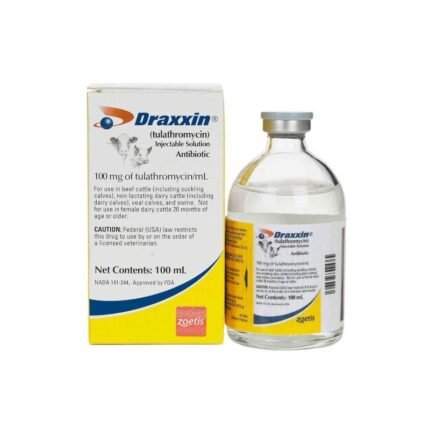
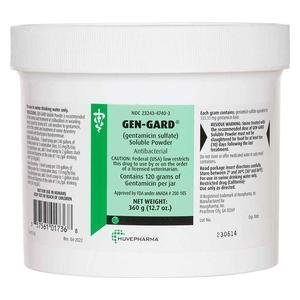
Order Animal Antibiotics Medicines Online for Responsible Veterinary Care
Animal health depends on appropriate prevention, diagnosis, treatment, nutrition, hygiene, and ongoing veterinary management. When a veterinarian determines that a bacterial infection requires antimicrobial treatment, an appropriate veterinary antibiotic may form part of the animal's treatment plan. For customers searching to
order animal antibiotics medicines online, World Equine Vet provides a dedicated category for exploring veterinary antibacterial medicines and related animal health products.
Veterinary antibiotics are medicines designed to act against susceptible bacteria. They are not general-purpose treatments for every infection, and they do not treat viral diseases. The choice of an antibiotic depends on factors such as the animal species, suspected or confirmed infection, clinical history, affected body system, medicine formulation, bacterial susceptibility, and applicable veterinary guidance.
Responsible antibiotic use is especially important because unnecessary or inappropriate antimicrobial treatment can contribute to antimicrobial resistance. For that reason, animal antibiotics should be selected and administered carefully, with professional veterinary oversight where appropriate.
World Equine Vet makes it easier for customers to explore
animal antibiotics medicines, veterinary antibiotics, equine antibacterial medicines, livestock antibiotics, animal antimicrobial products, and veterinary infection-treatment products online while encouraging responsible use.
Understanding Animal Antibiotics Medicines
Animal antibiotics medicines are veterinary products used to manage certain bacterial infections in animals. Depending on the product, veterinary antibiotics may be formulated for horses, cattle, dogs, cats, sheep, goats, pigs, poultry, or other species.
The correct product cannot be determined simply by looking at an animal's symptoms. Coughing, diarrhea, fever, wounds, swelling, discharge, reduced appetite, or lethargy can have multiple possible causes. Some may involve bacteria, while others may result from viruses, parasites, inflammation, trauma, environmental factors, or other conditions.
A veterinarian can evaluate the animal and determine whether antimicrobial treatment is appropriate.
When customers search for
buy animal antibiotics online, it is therefore important to consider the complete product information rather than selecting a medicine based only on a familiar name or symptom.
Veterinary Antibiotics for Animal Health
Veterinary antibiotics can be available in different formulations, including injectable solutions, oral medicines, powders, tablets, pastes, suspensions, and other dosage forms. The appropriate formulation depends on the animal, treatment circumstances, active ingredient, and veterinary recommendation.
Different antibiotics also have different antibacterial spectrums and pharmacological characteristics. A product suitable for one infection may not be appropriate for another.
Before using any veterinary antibiotic, customers should review:
- Active ingredient
- Strength or concentration
- Intended animal species
- Indications
- Route of administration
- Dosage instructions
- Treatment duration
- Contraindications
- Warnings and precautions
- Storage requirements
- Withdrawal information where applicable
- Prescription or authorization requirements
- Relevant local regulations
Following these details helps support safer and more responsible veterinary medicine use.
Order Equine Antibiotics for Veterinary Use
Horses can develop bacterial infections affecting different parts of the body, including wounds, respiratory structures, skin, gastrointestinal systems, urinary systems, and other tissues. However, not every illness requires an antibiotic.
For customers searching for
equine antibiotics online, professional veterinary evaluation is particularly important. Horses may respond differently to medicines than other animal species, and some drugs that are suitable for one species may be inappropriate or unsafe for another.
An equine veterinarian can assess the horse's clinical signs and determine whether antimicrobial treatment is indicated. Where an antibiotic is appropriate, the veterinarian can recommend a suitable active ingredient, formulation, dosage, and treatment schedule.
World Equine Vet provides an online category where customers can explore veterinary products associated with animal antibacterial care while emphasizing appropriate veterinary oversight.
Why Antibiotic Selection Matters
Choosing an antibiotic is not simply a matter of selecting the strongest medicine available. Effective antimicrobial therapy depends on using an appropriate medicine against susceptible bacteria while minimizing unnecessary exposure.
Veterinarians may consider:
- The likely bacterial cause
- Site of infection
- Severity of illness
- Animal species
- Age and body weight
- Previous treatment
- Existing medical conditions
- Other medicines
- Laboratory testing where appropriate
- Antimicrobial susceptibility
- Local resistance patterns
- Product authorization
- Withdrawal requirements
This individualized approach is an important part of responsible antimicrobial stewardship.
Antibiotic Stewardship in Veterinary Medicine
Antimicrobial stewardship means using antibiotics responsibly so that they remain effective for animals and people in the future.
Unnecessary antibiotic use can contribute to the development and spread of antimicrobial-resistant bacteria. Resistance can make infections more difficult to treat and can have consequences beyond the individual animal.
Responsible stewardship includes using antibiotics only when appropriate, following professional recommendations, administering the correct product as directed, and avoiding unnecessary or incomplete treatment.
Animal owners should never share leftover antibiotics between animals or use a previous prescription for a different illness without professional advice.
Veterinary Antibiotics for Horses
Horse owners may search for terms such as
horse antibiotics online,
equine antibacterial medicine,
veterinary antibiotics for horses, or
equine infection medicine when looking for treatment options.
However, a horse's symptoms do not automatically indicate that antibiotics are required.
For example, respiratory symptoms may result from bacterial infection, viral infection, environmental irritation, allergies, or other causes. Similarly, swelling or a wound may require different management depending on its depth, location, contamination, and associated complications.
A veterinarian can determine whether an antibiotic is warranted and, when appropriate, select the most suitable product.
Animal Antibiotics for Different Species
Veterinary antibiotics are not universally interchangeable between animals.
A product formulated for cattle may have different dosage requirements and safety considerations from a product intended for horses. Likewise, medicines used in dogs or cats may not be appropriate for livestock or equine patients.
Customers should always verify the species indicated on the product label.
Important factors can include:
Species: Confirm that the medicine is authorized or intended for the animal being treated.
Weight: Dosage may depend on body weight and other clinical considerations.
Formulation: Injectable, oral, topical, and other formulations are not automatically interchangeable.
Condition: The medicine must be appropriate for the suspected or diagnosed infection.
Regulatory status: Prescription and dispensing rules vary by product and country.
Animal Antibiotics and Bacterial Infections
Bacterial infections can occur in different animal tissues and organ systems. Veterinary assessment may be required to determine whether bacteria are involved.
Depending on the situation, diagnostic procedures such as examination, sampling, culture, or susceptibility testing may help guide treatment decisions.
When testing identifies a susceptible bacterial organism, the results may help a veterinarian choose an appropriate antimicrobial.
This is one reason customers should not automatically treat every suspected infection with an antibiotic.
Responsible Use of Injectable Veterinary Antibiotics
Some veterinary antibiotics are supplied as injectable medicines. Injectable products require particular attention because incorrect administration can cause complications.
Customers should not administer injectable veterinary medicines unless they are appropriately trained and authorized to do so. Product instructions should be followed carefully, including information about administration technique, storage, handling, dosage, and disposal.
If a veterinarian has prescribed or recommended an injectable antibiotic, ask for clear instructions about its proper use.
Oral Veterinary Antibiotics
Oral veterinary antibiotics can be available in different forms, including tablets, capsules, powders, pastes, and suspensions, depending on the animal and medicine.
The correct dose and treatment duration vary by product and patient. Animals should receive the medicine exactly as directed by the veterinarian or according to the approved product instructions.
Do not assume that a human antibiotic, another animal's medicine, or a previously prescribed product is appropriate for a different animal.
Antibiotics and Veterinary Prescription Requirements
The legal status of animal antibiotics differs between countries and products. Some veterinary antimicrobials may require a prescription, veterinary authorization, or dispensing through an appropriately regulated channel.
Customers ordering from another country should also understand that importation requirements may apply.
World Equine Vet encourages customers to verify local requirements before purchasing veterinary antibiotics and to seek professional veterinary guidance where required.
Animal Antibiotics for Customers in the USA
Customers in the United States searching for
order animal antibiotics online USA,
veterinary antibiotics USA,
equine antibiotics online USA, or related terms should be aware that federal and state requirements may apply to veterinary antimicrobial products.
Prescription status and dispensing requirements can vary according to the product. Customers should use veterinary antibiotics only under appropriate professional direction and comply with applicable requirements.
For food-producing animals, additional considerations may apply, including withdrawal periods and records associated with food safety.
Veterinary Antibiotics in France
Customers in France searching for
veterinary antibiotics online France,
equine antibiotics France, or animal antibacterial medicines should consider the regulatory requirements applicable to veterinary medicines in France.
The fact that a medicine is available online does not automatically mean that it is authorized for unrestricted purchase or use in every country.
French customers should verify product authorization, prescription requirements, and importation rules where applicable.
Veterinary Antibiotics in Germany
Customers in Germany may search for
veterinary antibiotics Germany,
animal antibiotics online Germany, and related equine or livestock medicine terms.
Antibiotic use should follow applicable German veterinary medicine requirements and professional recommendations. Customers should verify the status of individual products before ordering.
Veterinary Antibiotics in Italy and Spain
Customers in Italy and Spain may search for veterinary antibiotics, animal antibacterial medicines, and equine infection treatments online.
The responsible use of antimicrobials remains important in every market. Customers should check the individual product's intended species, indications, authorization, and applicable local rules.
Veterinary Antibiotics in the Netherlands
The Netherlands has a significant agricultural and equine sector, and customers may search for veterinary antibacterial products for horses, livestock, and companion animals.
Because antimicrobial use is closely connected with resistance management, veterinary guidance and compliance with local requirements are particularly important.
Veterinary Antibiotics in Switzerland
Customers in Switzerland searching for
animal antibiotics medicines online Switzerland or equine antibacterial products should confirm the requirements governing the purchase, importation, and use of veterinary medicines.
Product availability and legal requirements can differ from those in neighboring European markets.
Veterinary Antibiotics in Australia
Australia has a substantial livestock, equine, and companion-animal veterinary sector. Customers may search for
animal antibiotics Australia,
equine antibiotics online Australia, and related veterinary medicine terms.
Before ordering an antimicrobial product internationally, customers should verify Australian requirements concerning importation, prescription status, approved use, and animal species.
Antibiotics for Food-Producing Animals
Antibiotic use in food-producing animals requires particular care. Cattle, sheep, goats, pigs, poultry, and other food-producing species may be subject to withdrawal periods designed to ensure that food products remain within applicable residue standards.
Withdrawal periods can vary by product, species, route of administration, dose, and treatment circumstances.
Never assume that an antibiotic is safe for use in a food-producing animal simply because it is a veterinary medicine.
Follow the veterinarian's instructions and the product label carefully.
Veterinary Antibiotics and Withdrawal Periods
Withdrawal periods are an important consideration for animals that produce food such as meat, milk, eggs, or other animal products.
A withdrawal period is the required interval between the final administration of a veterinary medicine and the point at which the animal or its products can enter the food chain under the applicable rules.
The required period varies between medicines and circumstances.
Owners and producers should keep accurate treatment records and follow the withdrawal information provided by the veterinarian and applicable product labeling.
Antibiotic Use in Competition Horses
Competition horses require additional consideration when veterinary antibiotics or other medicines are used.
Sporting organizations and racing authorities may have specific medication policies, prohibited substances, detection thresholds, or withdrawal requirements.
Owners and trainers should check the current rules governing their particular competition.
Never assume that an antibiotic or other veterinary medicine is automatically permitted simply because it is commonly used in veterinary medicine.
How to Store Animal Antibiotics
Correct storage can help maintain product quality.
Storage instructions vary by medicine. Some products may require refrigeration, protection from light, temperature control, or other specific conditions.
Always follow the manufacturer's storage instructions.
Do not use a veterinary medicine if its appearance has changed unexpectedly, the container has been damaged, the product is expired, or there are concerns about contamination or storage conditions.
If uncertain, contact a veterinarian, pharmacist, manufacturer, or appropriate veterinary medicine professional.
Handling Veterinary Medicines Responsibly
Veterinary medicines should be stored securely and kept away from children and animals that are not intended to receive them.
Used needles, syringes, containers, and other medical materials should be disposed of according to applicable local requirements.
Good medicine handling practices help reduce accidental exposure, contamination, and inappropriate use.
What to Know Before You Order Animal Antibiotics Online
Before ordering an animal antibiotic, consider the following:
Has the animal been evaluated?
A veterinarian can determine whether an infection is likely to require antimicrobial treatment.
Is the product intended for the correct species?
Always verify the label.
Do you know the active ingredient?
Different antibiotics have different properties and uses.
Is the medicine prescription-only?
Check the requirements that apply in your location.
Are there food-animal considerations?
Check withdrawal requirements where relevant.
Is the animal involved in competition?
Verify applicable medication and prohibited-substance rules.
Is the medicine compatible with existing treatment?
Tell the veterinarian about all medicines and supplements the animal is receiving.
Why You Should Not Use Leftover Antibiotics
Leftover antibiotics can create several problems.
The remaining quantity may not be sufficient for the current treatment. The product may not be appropriate for the current infection, may have been stored incorrectly, or may have passed its expiration date.
Using leftover medication can also make it harder for a veterinarian to establish what treatment the animal has already received.
Unused antibiotics should be managed according to local disposal requirements rather than saved for future illnesses without professional guidance.
Antibiotic Resistance and Animal Health
Antimicrobial resistance is an important concern in modern veterinary medicine.
When bacteria develop resistance to medicines designed to control them, certain infections can become harder to treat. Resistant bacteria can also spread between animals, people, and environments.
Responsible antibiotic use helps support the effectiveness of antimicrobial medicines.
This means antibiotics should not be used simply because an animal appears unwell. The underlying cause should be considered, and professional diagnosis should guide treatment whenever appropriate.
Veterinary Diagnosis Before Antibiotic Treatment
A veterinary examination can help distinguish bacterial disease from other conditions.
Depending on the symptoms, the veterinarian may recommend observation, laboratory testing, imaging, culture, susceptibility testing, or other diagnostic procedures.
The resulting information can help determine whether antibiotic treatment is warranted and which approach is most appropriate.
This diagnostic process is particularly important when an animal has recurrent infections or fails to respond to initial treatment.
Shop Animal Antibiotics Responsibly at World Equine Vet
World Equine Vet provides a dedicated category for customers researching
animal antibiotics medicines online, veterinary antibiotics, equine antibacterial medicines, animal antimicrobial products, and veterinary infection-treatment products.
Our goal is to make product discovery easier while encouraging customers to approach veterinary antimicrobial use responsibly.
When exploring products, review the individual product information rather than relying solely on category-level descriptions. Each medicine has its own formulation, active ingredient, indications, instructions, warnings, and regulatory requirements.
Frequently Asked Questions About Animal Antibiotics
Can I order animal antibiotics online?
Some veterinary antibiotic products may be available through online veterinary medicine suppliers, but availability, prescription requirements, and dispensing rules depend on the individual product and destination country. Always comply with applicable regulations.
What are animal antibiotics used for?
Animal antibiotics are used to treat or manage susceptible bacterial infections when appropriate. They do not treat viral infections and should not be used unnecessarily.
Can I give my horse antibiotics without a veterinarian?
It is strongly advisable to consult an equine veterinarian before administering antibiotics. Correct treatment depends on the suspected infection, product, dose, route, and individual horse.
Are antibiotics suitable for all animals?
No. Veterinary antibiotics have specific species, dosage, formulation, and safety considerations. Check the product label and obtain professional guidance.
Can I use human antibiotics for animals?
Do not assume that a human antibiotic is appropriate for an animal. Veterinary treatment should be determined by a qualified professional who understands the species and condition involved.
Can I use leftover antibiotics for another animal?
Using leftover antibiotics for another animal is not recommended without veterinary direction. The product may be unsuitable, expired, incorrectly stored, or inappropriate for the animal's condition.
Are animal antibiotics safe?
Veterinary antibiotics can be appropriate when correctly selected and used according to professional instructions. Incorrect use can cause adverse effects, treatment failure, or contribute to antimicrobial resistance.
What happens if an animal receives the wrong antibiotic?
The outcome depends on the medicine, dose, animal, and circumstances. Contact a veterinarian promptly if an animal receives an incorrect medication or dose.
Do livestock antibiotics have withdrawal periods?
Many veterinary medicines used in food-producing animals can have withdrawal requirements. Always follow the product label and veterinary instructions.
Can antibiotics be used in competition horses?
Veterinary antibiotics may be used when medically appropriate, but competition rules can restrict medicines or require specific withdrawal periods. Check the current rules for the relevant organization.
How should animal antibiotics be stored?
Follow the manufacturer's storage instructions. Requirements vary by product and may include temperature control, refrigeration, light protection, or other conditions.
Can antibiotics prevent every animal infection?
No. Antibiotics are designed to act against susceptible bacteria and are not effective against every cause of illness. Preventive animal healthcare also includes vaccination where appropriate, hygiene, nutrition, biosecurity, parasite control, and veterinary monitoring.
Explore Animal Antibiotics Medicines at World Equine Vet
Customers searching for
where to order animal antibiotics medicines online can explore the dedicated veterinary antibiotic category at World Equine Vet. Our selection is intended to help customers identify relevant animal health products while encouraging responsible antimicrobial use.
Whether you are searching for
equine antibiotics, horse antibacterial medicines, livestock veterinary antibiotics, animal antimicrobial products, or veterinary infection-treatment medicines, always review the individual product information and ensure that its intended species and purpose match your veterinary requirements.
Customers in the
USA, UK, France, Germany, Italy, Spain, Netherlands, Switzerland, Australia, Canada, and other markets should also verify local regulations before ordering veterinary antibiotics, particularly where prescription, importation, food-animal, or competition requirements apply.
Antibiotics are valuable veterinary medicines when used appropriately. Responsible use means obtaining suitable professional advice, selecting the correct product, following the recommended administration instructions, observing applicable withdrawal requirements, and avoiding unnecessary antimicrobial treatment.
Explore the World Equine Vet animal antibiotics category to review available veterinary antimicrobial products and related animal health solutions.